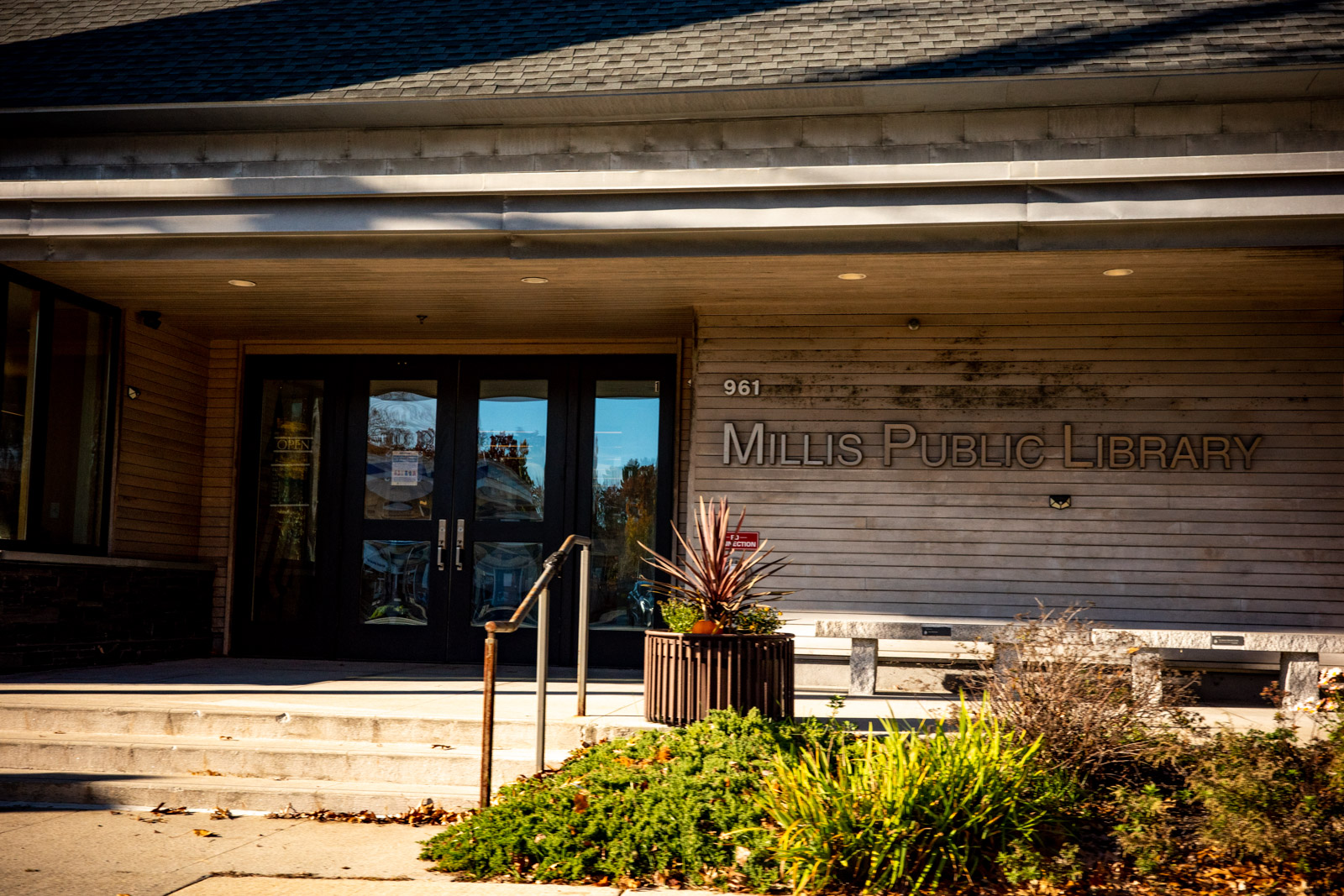
Housing Millis, A Housing Production Plan Update
Housing Millis is a community and data-driven Housing Production Plan (HPP) for the future of housing in Millis, Massachusetts. This HPP will expand housing diversity, affordability, and opportunity in the community and region. The Town has hired the Metropolitan Area Planning Council (MAPC) to provide technical assistance services to complete this planning effort.
The Town and MAPC (the Planning Team) together will work with residents and stakeholders throughout the process to set the vision and direction of housing policy in Millis for the next five years.

Questions? Want to get involved?
John Cruz, AICP,
Senior Housing and Land Use Planner at MAPC
([email protected])
About the Plan
Housing Millis will meet all the requirements of a Housing Production Plan and will be an update to the HPP that the town completed in 2019. HPPs help communities understand their housing needs, set housing goals, and identify strategies to achieve them. Through this process, we will work to expand and diversify Millis’ housing stock while also increasing affordability for people at a range of incomes. The Town of Millis is undertaking this plan through a working group that includes the Town Administrator, Town Planner, and the Metropolitan Area Planning Council (MAPC), the regional planning agency for Greater Boston.
This planning process is meant to engage people from across Millis, especially groups that have historically been underrepresented in municipal planning. This includes people of color, low-income residents, renters, and others.
Subscribe to the Project Email List
Always be up to date on this project!
Timeline
Winter – Spring 2026
Exploring and data gathering
Completing a Housing Needs Assessment
Examining constraints and opportunities
Land use / zoning audit
Spring-Summer 2026
Draft Goals and Strategies
Draft and Refine site selection
Fall – Winter 2026
Refine goals and strategies
Draft HPP and executive summary
End of 2026
Refine HPP draft
Public comment period
January 2027
Joint Planning and Select Board meeting to adopt the plan
HPP is sent to EOHLC for approval
What is a Housing Production Plan (HPP)?
Housing Production Plans are a specific plan type defined under Massachusetts state law (MGL Chapter 40B) and regulated by the state’s Executive Office of Housing and Livable Communities. To go into effect, the plan must be adopted by the Town and approved by EOHLC.
HPPs must include the following elements:
- Assessment of housing needs and demand
- Analysis of development constraints
- Identification of opportunity sites for new housing development
- Housing goals for the next five years, including numeric targets for new housing production
- Specific policies and programs that will help achieve housing goals
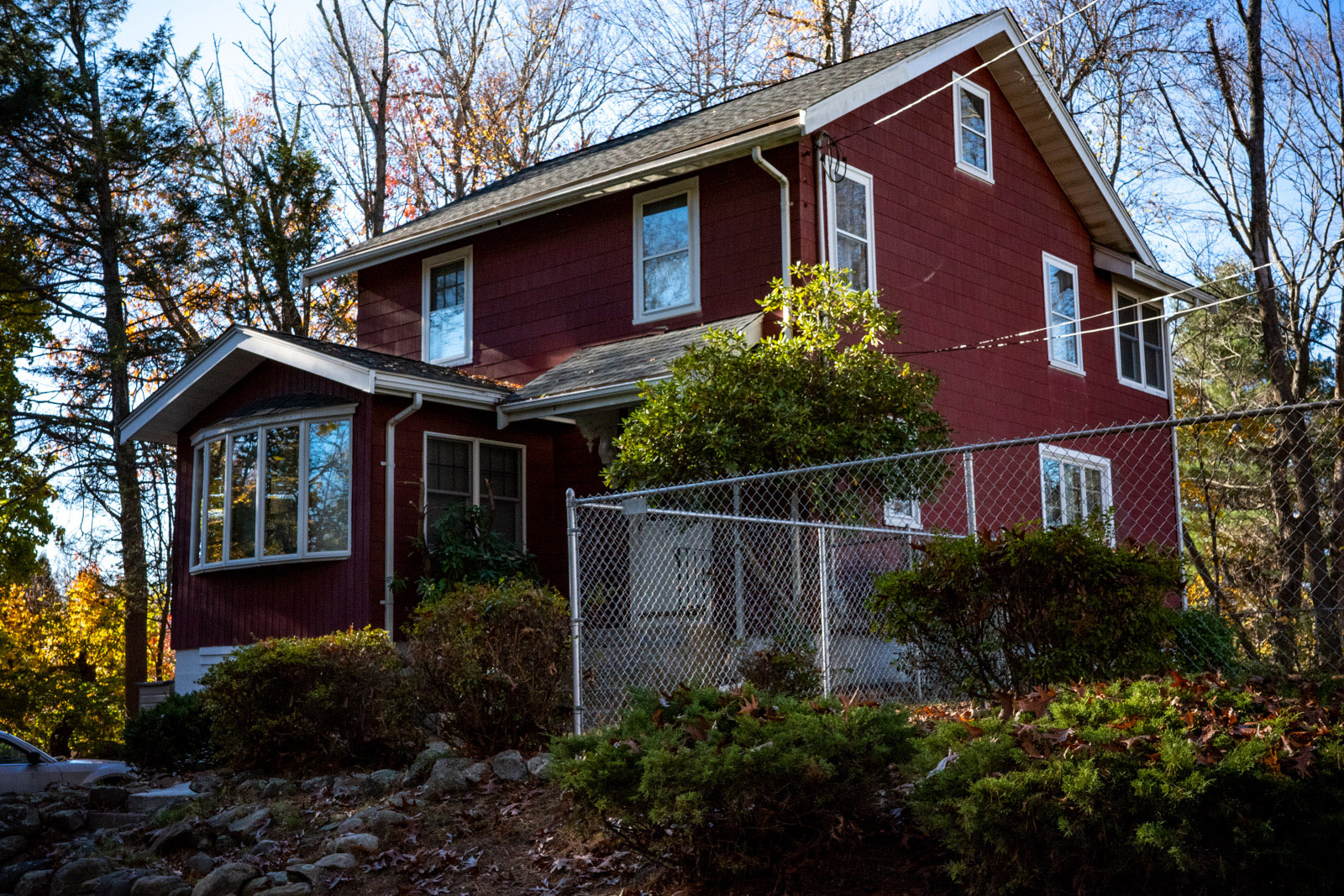
Having an active HPP will support Millis' eligibility to receive state grants. Other benefits of creating an HPP are summarized below.
Meet local housing need
First and foremost a housing production plan is used to identify and address unmet housing need. Through this process, Millis will gather a comprehensive set of data and engage the public to identify this need. The HPP will include goals and strategies for the Town and the Millis Housing Authority (MHA) to meet local housing needs.
Proactively influence development
An HPP is also a strong guide for housing development that allows the community to decide what type of housing is needed and where it should go. State law M.G.L Chapter 40B prompts each community to have 10% of its housing stock count on the subsidized housing inventory (SHI). If this target isn’t met, Affordable Housing development can be approved without complying with local zoning regulations. While Chapter 40B is often not a popular policy in many communities it is the law. Millis' SHI is at 2.58% making the Town susceptible to 40B development even though no 40B developments have taken place in Millis yet. An updated HPP will position Millis to get out front and plan for housing development rather than reacting to a 40B development once it’s proposed.
Comply with Chapter 40B
With a HPP, Millis can still comply with Chapter 40B without reaching the 10% SHI target. If the updated HPP is locally adopted and approved by the state, Millis can achieve safe harbor in the following ways:
- 2-year safe harbor if SHI is increased by 1% in one calendar year
- 1-year safe harbor is SHI is increased by 0.5% in one calendar year
What is Affordable Housing?
When most people talk about housing affordability, they usually are referring to housing that works within their budget. When housing planners talk about “Affordable Housing” (with a capital “A” and “H”), they are referring to housing that by law can only be rented or sold to low-income households, and moderate-income households in some cases, without these households paying more than 30% of their income. A household is “housing cost-burdened” when it pays 30% or more of its income on housing costs. Paying this much for housing often means a household will face tough financial decisions and may not be able to afford other necessities such as food, medicine, and transportation.
Affordable Housing has restrictions on its deed that preserve affordability for decades or in perpetuity, ensuring that income-eligible households can stay in their communities. Historically, Affordable Housing was built by the government, but today it is typically built by nonprofit organizations using government subsidies and tax credits. Market-rate developers also produce Affordable Housing units as required by local inclusionary zoning policies, incorporating affordable units into market-rate developments.
Eligibility to live in deed-restricted Affordable Housing is based on income status, which is determined by comparing a household’s total pre-tax income and the number of people in the household to the Area Median Income (AMI). AMI is the median income for households across the Greater Boston region, including Essex and is $160,900 for the year 2026. A household is considered “low-income” if its annual income is 80% or less of the AMI, which is $92,650 for a single person and $132,350 for a family of four. Currently, 5.71% of Millis’ housing is in the SHI as affordable.

| Household Size | Area Median Income (AMI) | 80% AMI (Low-Income) | 50% AMI (Very Low-Income) | 30% AMI (Extremely Low-Income) |
| 1-Person | $115,813 | $92,650 | $57,900 | $34,750 |
| 2-Person | $132,313 | $105,850 | $66,200 | $39,700 |
| 3-Person | $148,875 | $119,100 | $74,450 | $44,650 |
| 4-Person | $160,900 | $132,300 | $82,700 | $49,600 |
Source: 2026 HUD Area Median Income Limits for Greater Boston
Learn more about HPPs and Affordable Housing:
Resources
Working Group Meeting Re-Caps
To ensure that all working group meetings have content available to the public, we will post the PowerPoint presentations MAPC gives to the working group at each meeting in this section. The presentations are available as PDFs for you to download and review.
Working Group Meeting #1, March 5, 2026
Project and process overview, HPP overview
Presentation
Presentation