Top

Stormwater Flooding Resources

Decorative illustration. Image is horizontal with phased out grey city buildings, with sea green and teal underneath the buildings.
Stormwater Flooding Resources

Water, Water, Everywhere. . .

The Increasing Threat of Stormwater Flooding in Greater Boston | Tools & Resources

A photo of Furnace Ave in Quincy, Massachusetts after the 2010 flooding. There's homes in the background in the flood water, a construction cone, and two yellow road barriers.
Furnace Ave in Quincy, MA | Credit: Boston.com

Questions?

Eric Hove
Director of Strategic Initiatives
[email protected]

In March 2010, the Greater Boston area received 1.5 feet of rain from three historic storms in just 19 days. Thousands of homes and residents were affected. Roads and part of the MBTA shut down. Sewage entered the water system. The Federal Administration issued a disaster declaration for seven counties in the Central and Eastern part of the Commonwealth.

How did this happen, and how can local, state, and federal leaders better understand, prepare for, and minimize flooding and flood damage?

The Metropolitan Area Planning Council (MAPC) entered into an unprecedented data sharing agreement with the Federal Emergency Management Agency (FEMA) and the Massachusetts Emergency Management Agency (MEMA) to review disaster claims records from the March 2010 storms. In conjunction with the hazard mitigation planning efforts MAPC does, the data provided a first-of-its kind analysis of stormwater flooding in the Greater Boston area.

The Report

With access to the data, MAPC analyzed 27,000 flood claims from the historic March 2010 storms that dropped 18 inches of rain across Eastern Massachusetts. The in-depth analysis was turned into a report of findings, takeaways, and recommendations: Water, Water Everywhere: The Increasing Threat of Stormwater Flooding in Greater Boston.

One Takeaway: FEMA Flood Maps are poorly predictive of where stormwater flooding is most likely to occur. Ninety-six (96) percent of the disaster claims arose in areas outside of the FEMA Special Flood Hazard Areas (SFHAs), also known as the 1% chance flood zones. As the vast majority of claims were outside the SFHA, most residents were unaware of their risk.

Access the report for more takeaways and detailed information on the research and recommendations.
Design Credit: Ellyn Morgan, MAPC

Press Release

Report Shows Greater Boston is Susceptible to Unpredictable Stormwater Flooding | May 1, 2023 | Read the press release

Webinar

On Wednesday, May 3, 2023, MAPC hosted a webinar focused on the analysis, findings, and recommendations in the report.

Thank you to our panel of speakers:

  • Marc DraisenExecutive Director, MAPC – Welcome
  • Van DuSenior Environmental Planner, MAPC – Moderator
  • Anne HerbstPrincipal Environmental Planner – retired, MAPC
  • Mia MansfieldDirector of Climate Adaptation and Resilience, MA Executive Office of Energy and Environmental Affairs
  • Jason Mammone, P.E.Director of Engineering, Town of Dedham
  • Rachel BowersRegional Planning Data Analyst, MAPC

Tools & Resources

The following are tools and resources we encourage you to take advantage of to aid your municipality in your climate resiliency and flooding prevention projects. Are there tools and resources that are currently not included below, but should be? Let us know! Contact Rachel Bowers ([email protected]).

Tools

Resources

Purely a design element. Horizontal overlapping colors of grey and aqua.
Continue reading...

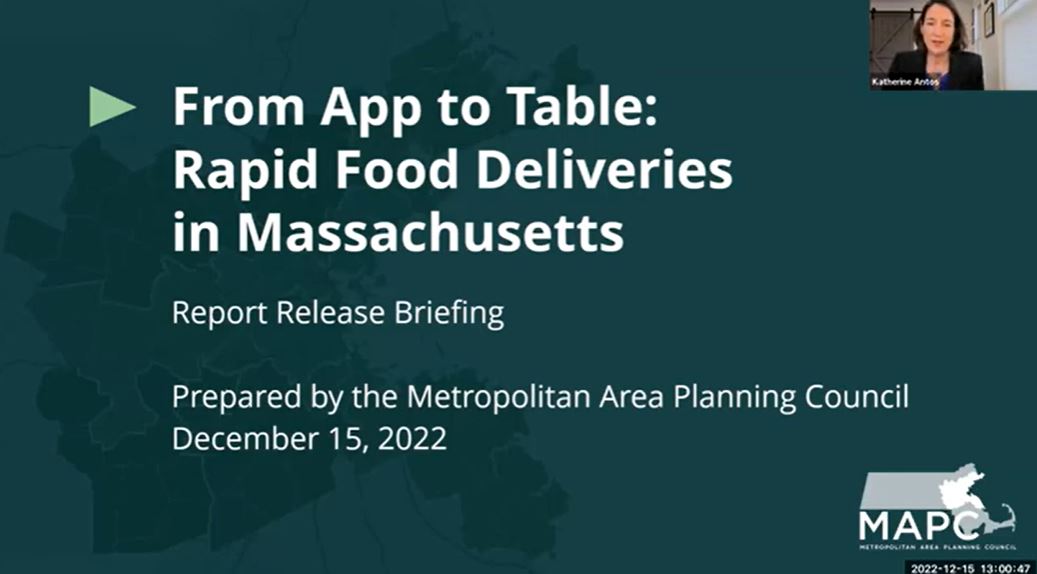
From App to Table: Rapid Food Deliveries in Massachusetts

From App to Table: Rapid Food Deliveries in Massachusetts

An e-commerce and transportation study by the
Metropolitan Area Planning Council

Header photo: AdobeStock #254761633

“From App to Table: Rapid Food Deliveries in Massachusetts” concentrates on the transportation, land use, and economic effects of rapid food deliveries from third-party mobile apps such as DoorDash, Grubhub, and Uber Eats, as well as fast delivery of convenience store items from mobile apps including GoPuff and Getir.

This report does not include an analysis of larger, same-day deliveries from grocery stores, but instead concentrates on smaller orders of prepared foods and convenience store items typically delivered within 15 to 45 minutes. MAPC estimates that the number of rapid food deliveries in the state most likely exceeds the number of ride-hailing trips from Transportation Network Companies such as Uber and Lyft.

MAPC puts forward potential policies that could help the Commonwealth, municipalities, and the mobile delivery platforms more sustainably manage the growth and impacts of these rapid food deliveries.

MAPC serves as a resource for continued information sharing and findings from e-commerce surveys and pilot programs and will continue to conduct research on how municipalities in Massachusetts are mitigating and managing the impacts of e-commerce. Please email [email protected] for more information or to be informed of future initiatives.

Report release briefing

On Thursday, Dec. 15, 2022 report co-authors Alison Felix, AICP, principal planner & emerging technologies specialist, and Travis Pollack, AICP, senior transportation planner, and other experts at MAPC provided a deeper dive into the research and gave an overview of best practices and policies that municipalities and the Commonwealth can undertake to better manage the effects of rapid food deliveries. Watch on our YouTube channel.

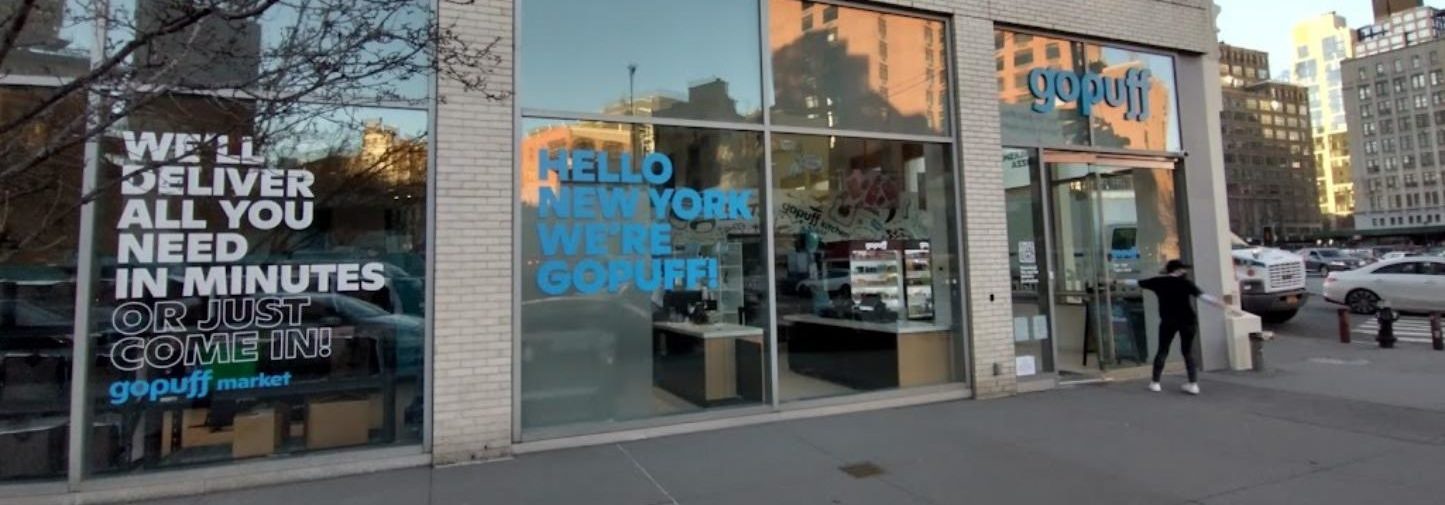
A photo of a gopuff microfulfillment center in New York City.
A gopuff microfulfillment center in New York City. Photo credit: Igor Katrach

This report is a follow-up work to MAPC’s 2021 report Hidden and in Plain Sight: Impacts of E-Commerce in Massachusetts, which investigated the effects of online commerce on municipalities in the Commonwealth. It also follows MAPC’s Fare Choices research on the impacts of app-based ridehailing in Massachusetts.

This report is aligned with the recommendations adopted in the regional plan MetroCommon 2050, including improving access and regional mobility, reducing vehicle miles traveled, enabling wealth creation and intergenerational wealth transfer, and expanding and promoting the resiliency of small businesses, particularly those owned by people of color.

Continue reading...

Wakefield Vision 2030

November 2021

Wakefield Vision 2030 is a community visioning-for-planning process that the Town of Wakefield embarked on to provide an opportunity for community input into developing community goals, and prioritizing them to account for finite resources and time. Vision 2030 resulted in a community vision and shared values statement that can guide a in a future master planning process. The vision was a high-level, aspirational community-visioning-for-planning initiative.

The process involved community input from 922 online survey responses and almost 200 Zoom participants over the course of three public workshops. The report was finalized after the end of the public comment period in mid-November 2021.

Questions? Contact Principal Planner Carlos Javier Montañez at [email protected].

Continue reading...

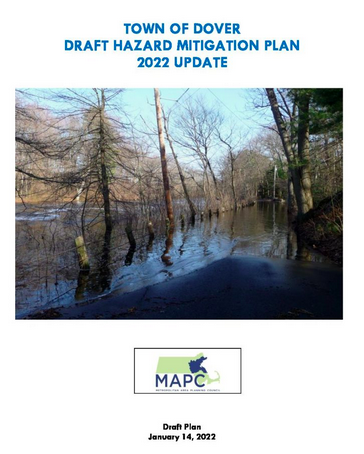
Dover Hazard Mitigation Plan

The Town of Dover has prepared an updated Hazard Mitigation Plan to help the Town reduce its vulnerability to natural hazards such as flooding, drought, hurricanes, and winter storms. The plan also addresses the impacts of climate change, and features recommended mitigation actions the City can take to become more resilient to natural hazards.

This plan was prepared for the Town of Dover by the Metropolitan Area Planning Council (MAPC) under the direction of the Massachusetts Emergency Management Agency (MEMA).

Dover HMP

January 2022 Draft

The draft Dover Hazard Mitigation Plan 2022 Update is available for download below. The Town welcomes questions and comments on the draft plan. Please submit them by email to [email protected] by February 18, 2022.

Continue reading...

Somerville Hazard Mitigation Plan

The Town of Dover has prepared an updated Hazard Mitigation Plan to help the Town reduce its vulnerability to natural hazards such as flooding, drought, hurricanes, and winter storms. The plan also addresses the impacts of climate change, and features recommended mitigation actions the City can take to become more resilient to natural hazards.

This plan was prepared for the Town of Dover by the Metropolitan Area Planning Council (MAPC) under the direction of the Massachusetts Emergency Management Agency (MEMA).

Dover HMP

January 2022 Draft

The draft Dover Hazard Mitigation Plan 2022 Update is available for download below. The Town welcomes questions and comments on the draft plan. Please submit them by email to [email protected] by February 18, 2022.

Continue reading...

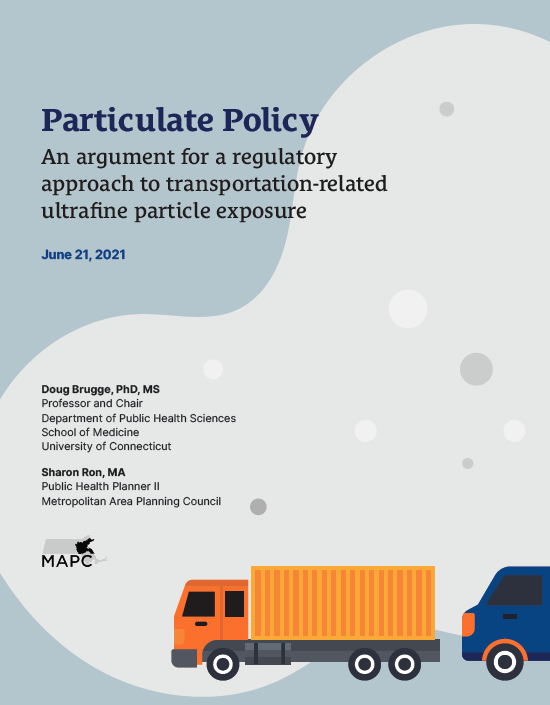
Particulate Policy

Paticulate Policy Title Card
Particulate Policy

June 2021

Particulate Policy

An argument for a regulatory approach to transportation-related ultrafine particle exposure

Particulate matter (PM) pollution is the most serious environmental health risk in the world, causing more deaths than poor diet or lack of exercise.

Exposure to fine particles (PM2.5) has been linked to disease and early death through extensive research. Ultrafine particle pollution (UFP), which is smaller than PM2.5, is also a serious health concern. Due to their small size, UFP can easily get into people’s lungs, blood and brain where they have been linked to increased risks for disease and early death.

In Massachusetts, particle pollution arises mostly from combustion-powered transport, such as cars and trucks. While PM2.5 spreads widely, UFPs usually concentrate close to sources. This means that residents living within 500 feet of busy roads breathe more polluted air and face increased health risks.

In Massachusetts, near-roadway PM pollution is an environmental justice concern. Due to racially inequitable transportation and housing policy, more residents of color live close to high-polluting roads and breathe polluted air, indoors and outdoors.

Download the White Paper

This summary report provides a background on particle matter air pollution and associated health outcomes and shares examples of state and local policies and programs to reduce exposure to particle air pollutants.

Funding support for this document was provided by the National Institute of Environmental Health Sciences grant #ES026980.

Authors

Doug Brugge, PhD, MS
Professor and Chair
Department of Public Health Sciences
School of Medicine
University of Connecticut

Sharon Ron, MA
Public Health Planner II
Metropolitan Area Planning Council

Learn More
Continue reading...

Get It Rolling: A Brief Guide to Mobilize Bus Improvements in Greater Boston

June 2021

Get it Rolling

A brief guide to mobilize busimprovements in Greater Boston

Get it Rolling lays out steps to help municipal staff, community leaders, and advocates launch successful bus improvements in high ridership, high delay corridors.

Correcting transportation inequities and injustices of the past can start with better buses. Simple, low-cost, and quick bus improvements create better service for communities, neighborhoods, and riders who have been disproportionately impacted by inadequate transit service in the past. These projects can ease delays during peak commute hours, facilitate mobility throughout the region, contribute to local and regional climate goals, and increase safety on our streets.  

The workbook provides an overview of how to improve bus transit, implement pilot programs, and communicate with community members. It identifies crucial stakeholders and project milestones, offers examples of successful strategies, and distills lessons learned.

Get It Rolling: A Brief Guide to Mobilize Bus Improvements in Greater Boston

Case Studies

The information this guide sets forth was drawn from over thirty in-depth interviews with stakeholders involved in six different projects.

These six projects are described in detail in the individual case studies below. You’ll find examples from these projects throughout the full guide.

Credits

Primary author:
Marah Holland, Transportation Planner II

Secondary authors:
Sarah Kurpiel Lee, Assistant Director of Transportation
Eric Bourassa, Director of Transportation
Liana Banuelos,* Transportation Planner
*Former staff member

Editor:
Karen Adelman, Senior Communications Strategist

Report Design:
Kit Un, Visual Designer

We would like to thank the many partners that helped us create this document. At the start of this project, we conducted over 30 interviews to gather details about how these projects came to be. Throughout the writing of this document, we also had many partners review, edit, and provide comments on its content. We want to thank Wes Edwards, Eric Burkman, Andrew McFarland, Julia Wallerce, Jenny Raitt, Ali Carter, Daniel Amstutz, Stacy Thompson, Kristiana Lachiusa, Patrick Hoey, Matthew Moran, Tegin Teich, Andrew Reker, Laura Wiener, Jonathan Belcher, Scott Hamwey, Jay Monty, Tom Philbin, Matt Lawlor, Brad Rawson, Adam Polinski, Katherine Adam, Caroline Vanasse, Casey Waskiewicz, Aaron Clausen, Annette Demchur, Lisa Jacobson, Ralph DeNisco, Chris Dempsey, Travis Pollack, Julie DeMauro and Sandra Clarey for their contributions to this report.

Continue reading...

Addressing the Digital Divide in Everett

Digital Access and Equity Plan
for the City of Everett

Addressing the Digital Divide in Everett

This page is no longer being updated. To download the Chelsea, Everett, and Revere Digital Equity Plan, see here. For more information about MAPC’s digital equity work, visit our Digital Equity Program page.

Everett

Few Massachusetts municipalities of Everett’s size have adopted a clear strategy around providing fast, reliable, and affordable internet to residents and businesses, and most cities and towns within the state do not have a clear understanding of the role of local government in the area of digital access. Everett is set to become a leader within the Commonwealth by developing a plan that is scaled to fit the capacity of municipal staff while leveraging a strong resource network of local, state, and federal resources that cross the public, private, educational, and nonprofit sectors.

With funding through a Federal Economic Development Administration Disaster Mitigation and Recovery Grant, MAPC will build the capacity of City stakeholders to begin addressing the challenges of internet access in Everett. The project will be guided by a Core Working Group made up of City staff and key partners, as well as an Advisory Committee of expert entities. The timeframe for this project will be six months, from January to June 2021.

Digital Access and Equity Survey Now Available!

Your input will help the cities plan for future investment, policy changes, and program development to improve internet access and bridge the digital divide. We encourage you to share this survey with your family and friends. All information will be held confidential and only shared in aggregate form. If you would be interested in participating in a follow up conversation or focus group please indicate where asked at the end of this survey.
(Survey Flyer)


Questions?

Contact Josh Eichen, MAPC Senior Economic Development Planner.

The development of the plan will hinge on three determining factors

Access to Affordable, High Speed, and Reliable Internet

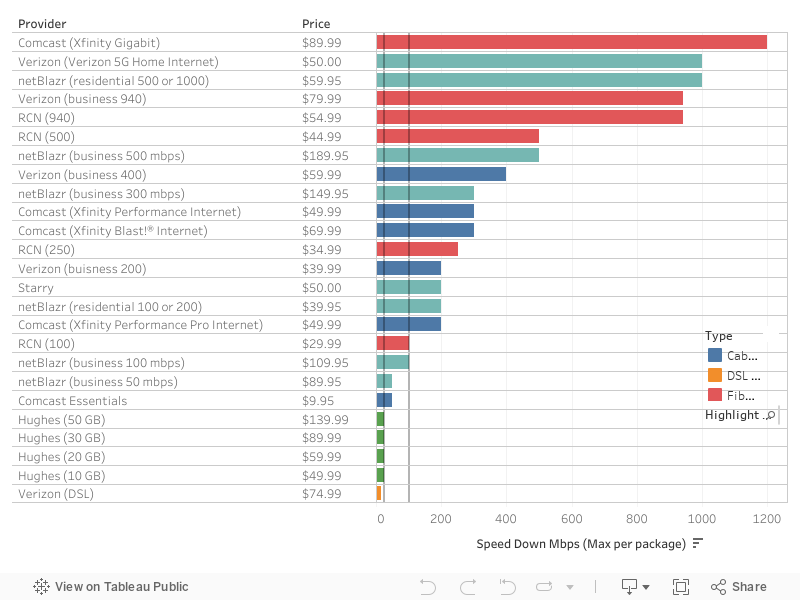
Ensuring that residents and businesses are able to acquire internet services at an affordable price that meets their needs. This will be a central focus of the Everett Internet Access and Equity Plan. MAPC will work to evaluate the existing range of internet service providers and associated service availability, costs, and speeds. Based on this analysis, MAPC will work with the City to evaluate a suite of options that would improve the access to affordable, high speed, and reliable internet in the City.

Availability of Computing Devices

In order to utilize the internet for critical personal services such as education, healthcare, and job search/online applications individuals need a computing device with a certain speed and functionality. The proliferation of smartphone technology has helped millions of individuals gain access to the communications benefits of the internet, but is not a substitute for a personal computing devices function. MAPC will work to evaluate the computing gap in Everett and steps to improve device availability for the community.

Digital Literacy

The ability to use a device and internet effectively and in a way that enables an individual to easily navigate needed uses and services is the last determining factor that MAPC will structure this plan around. Understanding the different uses and needs of various segments of Everett’s community will assist in creating a plan for improving literacy in a way that meets community needs and culture.

Plan Development

The Plan will outline the different paths available to the City of Everett to improve internet access within the community. The plan’s recommendations will be structured around achieving the City’s to-be-determined vision and goal of internet access and will lay out 2 –3 potential pathways that the City and community stakeholders could pursue.

These pathways may include actions that could be taken by the City administration, school district, community-based organizations, internet service providers, or other entities. The pathways developed will not be mutually exclusive, and MAPC will work with the City administration and stakeholders to evaluate short, medium, and long term opportunities.

MAPC will work to align this process with regional and state-level efforts to advance broader internet access. Where possible, MAPC will coordinate the recommendations and implementation steps with efforts in adjacent communities to encourage shared resources and investment strategies.

This plan will include several deliverables: 

A Core Working Committee will be formed with the assistance of the Revere Deputy Director of Planning and Economic Development and the Chelsea Economic Development Planner. The Core Working Committee will consist of stakeholders from:

  • School administrators and student representatives from the Everett School District
  • Representative of the Everett Housing Authority and tenant representatives or association.
  • Representative of the Everett Library
  • Everett Director of Information Technology
  • Representative from Everett City Council
  • Representative from Senator DiDominicos Office
  • Community-Based Organizations (CBO’s) such as LaComunidad and the Everett Haitian Community Center
  • Everett Cable Advisory Committee
  • Anchor businesses such as Cambridge Health Alliance and Encore Casino
  • Representatives from the small business community and Bunker Hill Community College’s Enterprise Center

Past Events

March 16, 2021: Planning Meeting 1 (Presentation)

Data and Resources

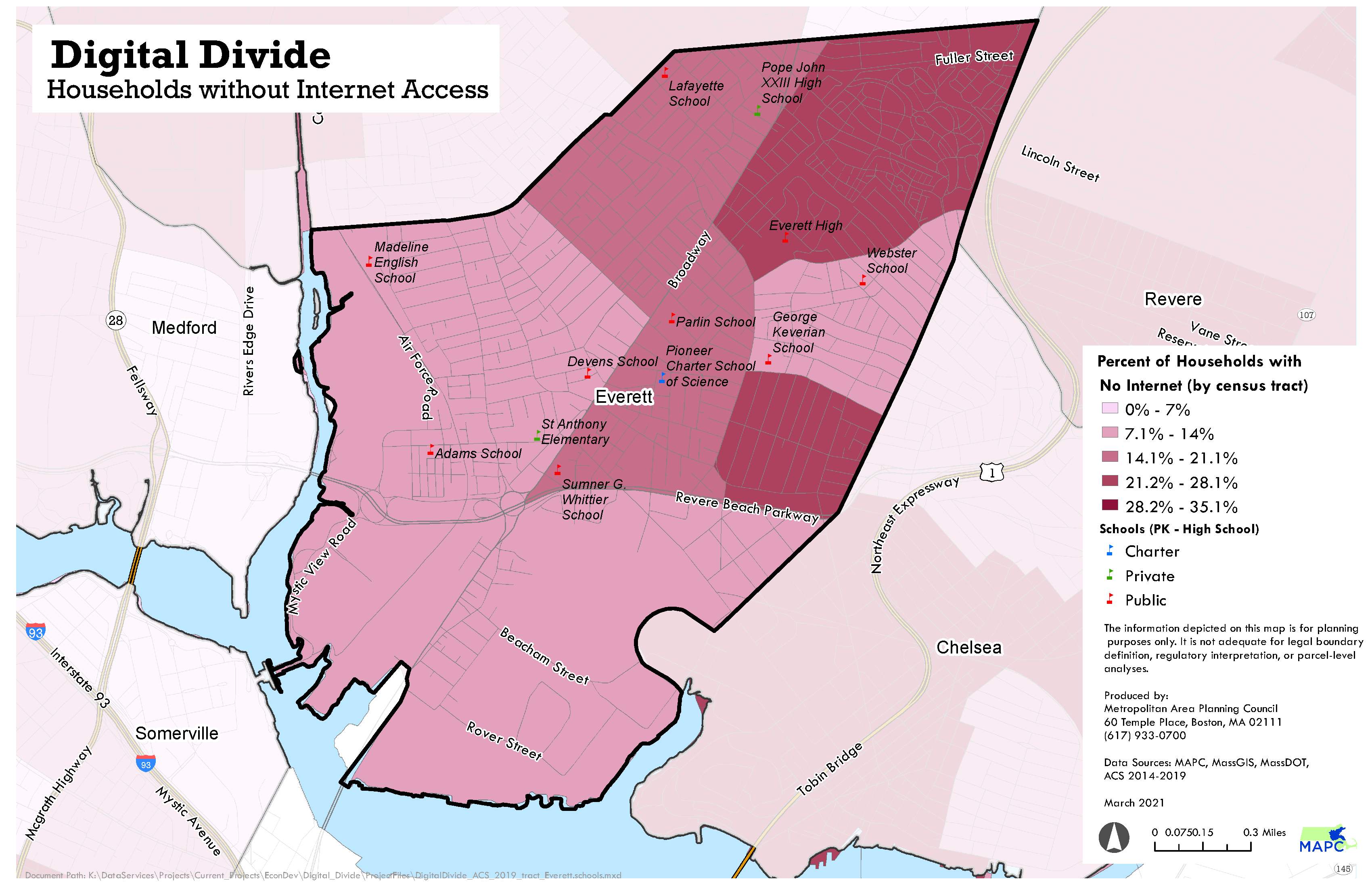
Households without internet access
DigitalDivide_HH_wo_Internet_Everett
Provider Costs
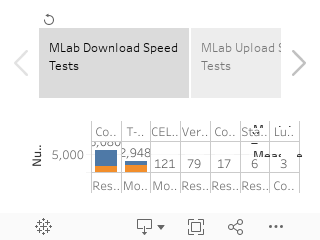
Download and Upload Speeds
Continue reading...

Massachusetts Ride for Hire Electrification Working Group

Massachusetts Ride for Hire Electrification Working Group

Final Policy Brief | May 2021

Developed by the Metropolitan Area Planning Council
On Behalf of the Massachusetts Executive Office of Energy
and Environmental Affairs

Massachusetts Ride for Hire Electrification Working Group

As detailed in the Final Policy Brief, the Massachusetts Ride for Hire Electrification Working Group identified 14 proposals which are organized by four categories:

Vehicle Incentives

Charging Infrastructure

Dedicated Funding Sources

Education & Driver Incentives

The 14 proposals are inherently connected, and to enable widespread adoption of electric vehicles by individual drivers and the ride for hire companies (Transportation Network Company, Taxi, and Livery) themselves, proposals across all four categories need to happen in concert with each other. Furthermore, each proposal will need to be developed in detail by the identified implementer to allow for successful implementation.

Of the 14 proposals, five were identified by a majority of Working Group members to be given priority for implementation within the next year:

The Working Group members identified an overarching need for a strong statewide outreach and education program to all drivers about the benefits of electric vehicles and how to take advantage of existing state programs. In turn, TNCs, taxi, and livery companies could disseminate content and program opportunities to drivers to expand the state’s education and outreach efforts.

Continue reading...

Equitable Brownfields to Brightfields: Research Findings Memo

This memo summarizes research undertaken between 2020 and 2021 by Groundwork USA and the Metropolitan Area Planning Council (MAPC), with support from EPA’s Brownfields and Land Revitalization Program, to understand the landscape of and opportunities for equitable “Brownfields to Brightfields” (B2B) projects in the U.S. The concept of B2B has great potential to revitalize polluted land, to promote solar energy, and to advance equitable community development. B2B projects repurpose brownfield sites – land with known or potential hazardous substances, pollutants, or contaminants – with solar energy installations on ground-mounted arrays, building rooftops, or canopy structures. The U.S. Environmental Protection Agency (EPA) has reported more than 450,000 estimated brownfields nationwide, but only 415 renewable energy installations on brownfields as of 2020.1 As solar achieves new economies of scale and land use and equity concerns increase in intensity, there is a vast untapped potential market for B2B projects that create local benefits – especially in low-income communities and communities of color that disproportionately suffer from industrial pollution, disinvestment, and vacancy; lack access to clean energy resources; and face severe climate change impacts and risks.

Read it here.

Continue reading...