Top

Norwell Zoning Implementation

Norwell

Zoning Implementation Process

Updates

Thank you everybody who participated the Accord Park and Queen Anne’s Corner rezoning process! Your feedback has been instrumental in helping the Town of Norwell and MAPC understand what the community’s priorities are and where you would like to see the Town move in the future.

After the final community forum on Jan. 7, MAPC and the Town finalized the language of the zoning articles based on the feedback we accumulated over the three different forums. For now, the Town has decided not to move forward with the 40R Zoning Article for Town Meeting in May, but will continue to move forward with the rezoning for Accord Industrial Park. The Town is also going to pursue including residential as an allowable use by special permit along the Pond Street corridor.

Questions? Contact:

If you have any questions about the zoning proposal that the Town is bringing to Town Meeting, please reach out to Norwell Town Planner, Ken Kirkland, at [email protected]

For questions about the MAPC process, contact Josh Eichen at [email protected] or 617-933-0722.

About the Project

In a 2018, the Town of Norwell and MAPC created an Economic Growth Plan with the priority goals of:

  • Maintaining a fiscally strong town government
  • Maximizing efficiency in the town’s industrial park (specifically Accordno changes are planned for Assinippi)
  • Introducing mixed use commercial and residential development
  • Addressing wastewater infrastructure capacity

The plan’s recommendations included changing the zoning at Queen Anne’s Plaza and Accord Park to accommodate new growth and the private investment needed to support that growth. In 2019, MAPC and the Town of Norwell collaborated again to write new zoning guidelines to implement the recommendations in the Economic Development Plan. During the fall and winter of 2019, we worked with the community to develop zoning changes to guide and regulate new development at Queen Anne’s Plaza and in Accord Park.

As part of this process, MAPC evaluated the net impact of zoning changes on the town’s finances, environment, and traffic and wastewater infrastructure. For any adverse impacts are identified, MAPC provided mitigation recommendations to help address them.

Community input was central to developing the new zoning guidelines. MAPC hosted three community workshops to center public input and feedback in the creation of the new zoning. Individuals who were unable to attend these public meetings can still access the materials we used for this project and view videos of each of the three presentations.

Throughout the spring, Norwell residents will have the chance to submit further feedback on the zoning proposal through planning board meetings. The proposal will appear on the warrant for the May 2020 Town Meeting and will require a two-thirds majority vote to pass. Make sure to connect with Norwell Town Planner Ken Kirlkland at [email protected] for more information about the Town Meeting.

Frequently Asked Questions

Do you have a question that’s not answered here?
Let us know! Contact:

Josh Eichen
[email protected]
617-933-0722

Continue reading...

Expanding the Use of Value Capture for Transportation and TOD in Massachusetts

January 2017

Public investments in transit, highways, roads and other infrastructure generate value for nearby property owners. The term “value capture” refers to any strategy whereby a public agency “captures” a portion of the increased property values to help pay forthe infrastructure itself. Around the country, commonly used value capture tools include special assessments and taxes, tax increment financing, various forms of developer contributions, and joint development or other public sector real estate transactions.

In Massachusetts, value capture is being considered as one potential source that can be tapped to provide much-needed funding for a variety of state and local transportation projects. This study identifies opportunities for expanding the use of value capture in Massachusetts to pay for transit, other transportation projects, and infrastructure required to support transit-oriented development (TOD).

The study examines the Commonwealth’s current value capture tools, drawing on examples from around the country, as well as interviews with 35 state, regional and local officials. The study also considers the potential for value capture through five case studies of transportation and TOD projects currently planned or underway in Massachusetts. Based on this research, the study recommends a number of ways in which Massachusetts laws, policies, and regulations could be changed in order to encourage broader use of value capture for transportation and TOD infrastructure generally, with a special focus on transit.


Continue reading...

Hot, Cool, Clean: Clean Heating and Cooling Opportunities for Massachusetts Municipalities

Hot, Cool, Clean

Clean Heating and Cooling Opportunities for Massachusetts Municipalities

August 2019

Across the Commonwealth of Massachusetts, municipalities are starting to embrace clean heating and cooling systems as important tools for reducing their greenhouse gas emissions. With recent technological advancements and evolving markets and financing mechanisms, air-source heat pumps, ground-source/geothermal heat pumps, and solar thermal have emerged as viable alternatives to fossil-fuel heating systems and can often provide cooling as well.

MAPC’s new white paper and webinar, “Hot, Cool, Clean: Clean Heating and Cooling Opportunities for Massachusetts Municipalities highlights the technologies and incentives that can provide municipalities with cost-effective, low-carbon solutions to heat and cool their public buildings.

Want to learn more?

Continue reading...

Climate Perspectives

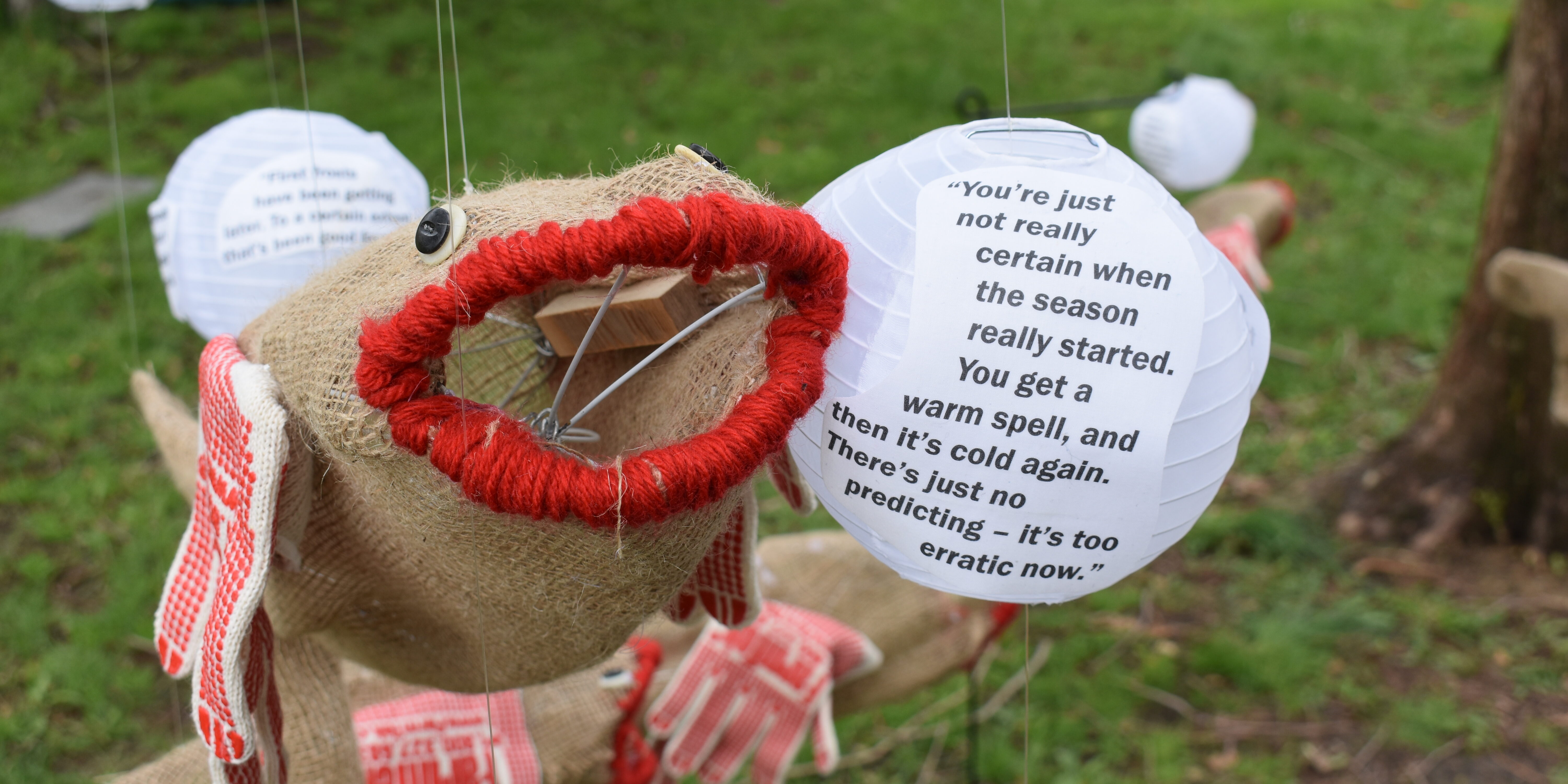
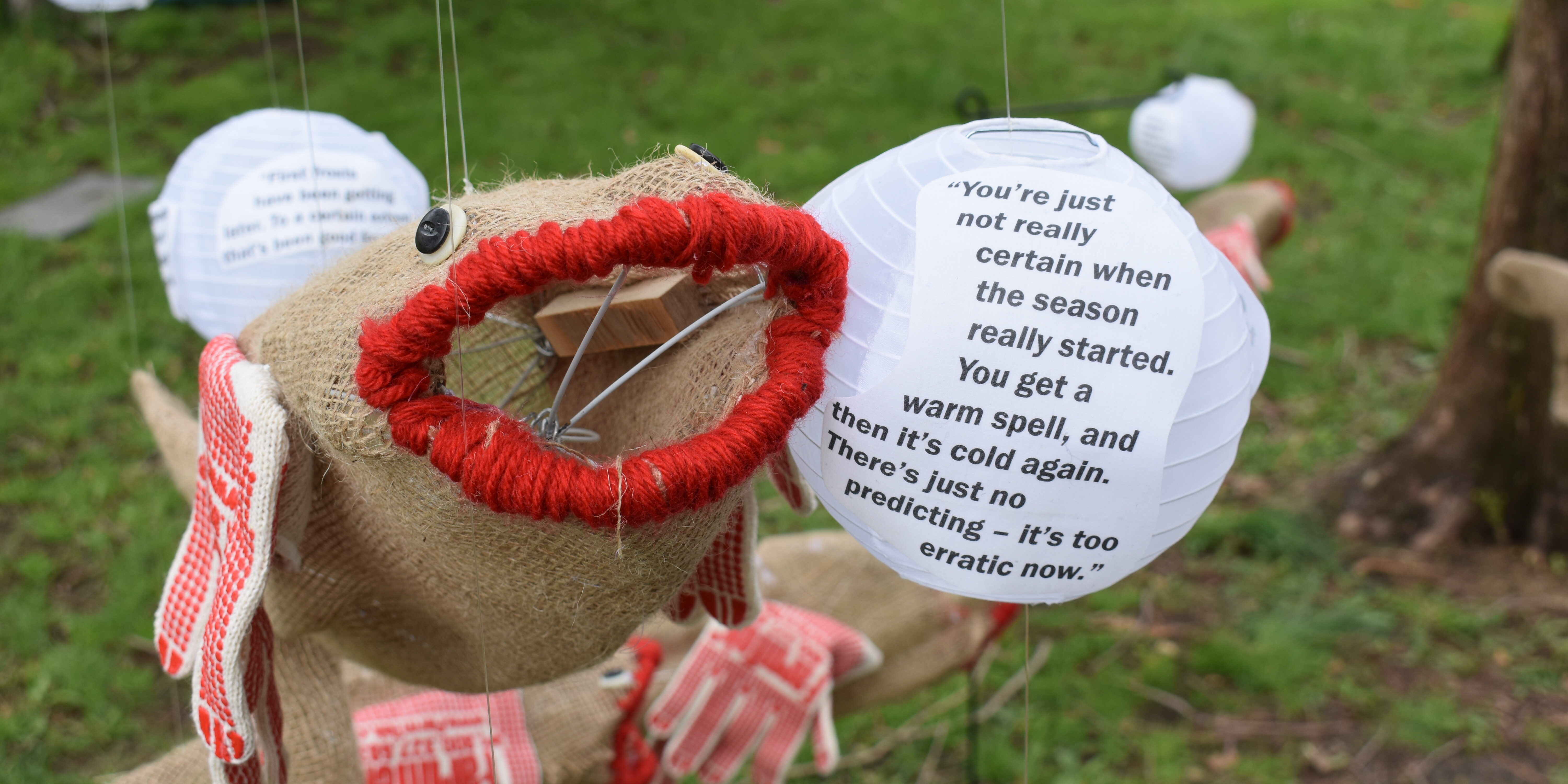
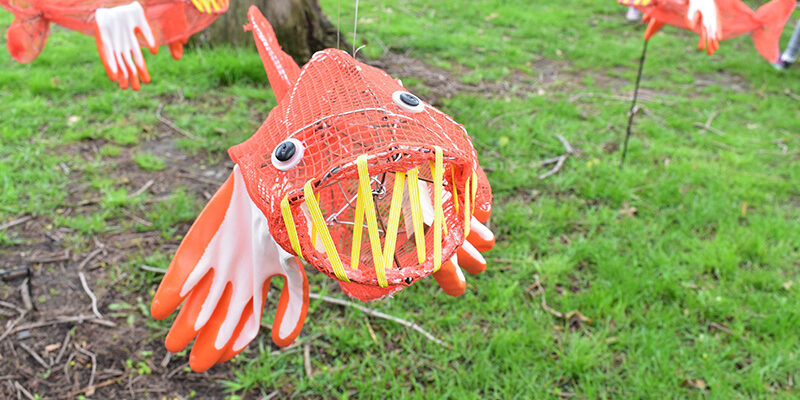
Koi fish sculpture with focus group quote: "You're just not really certain when the season really started. You get a warm spell and then it's cold again. There's just no predicting - it's too erratic now."

Climate Perspectives

Summary of Findings from Focus Groups with Workers in Construction, Farming, Home Health Care, and Fishing

Climate change is already visible across the Metro Boston region, forcing individuals and communities to cope with increasingly severe weather, unpredictable harvests and workplace conditions, and greater risks from vector-borne and heat-related illnesses. The Climate Perspectives project integrates focus groups and participatory art-making to collect individuals’ perspectives on the current and future impacts of climate change and emerging resilience strategies. The project focuses on industries and workforces with greater exposure to climate impacts and employees who serve climate-vulnerable populations as part of their work.

In 2019, MAPC facilitated four focus groups and conducted follow-up interviews with managers, employees, and representatives from the construction, farming, home health care, and fishing industries.

Download the full report here and see key findings below.

MAPC and collaborating artists are integrating the findings into an art installation, “Schools of Thought on Climate Change.” The installation helps communicate the focus group findings through sculpture and video and serves as a platform to collect additional perspectives from the public.

This project is a collaboration between members of MAPC’s public health, economic development, and arts and culture departments.

Questions? Contact Jeanette Pantoja at [email protected].

Key Findings

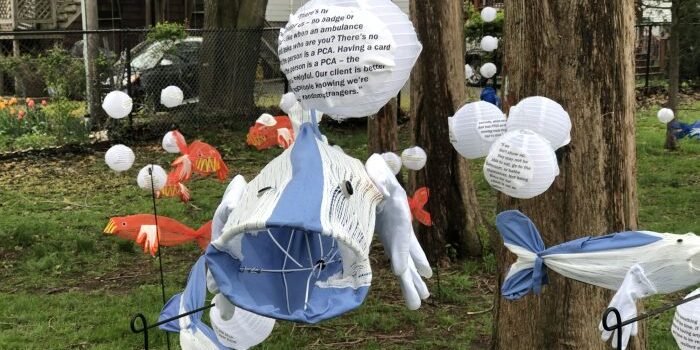
Home health care koi fish at the Wake Up the Earth Festival

Home Health Care

Koi fish sculpture with focus group quote: "You're just not really certain when the season really started. You get a warm spell and then it's cold again. There's just no predicting - it's too erratic now."

Farming

Koi fish sculpture made out of fishing net at Wake Up the Earth 2019

Fishing

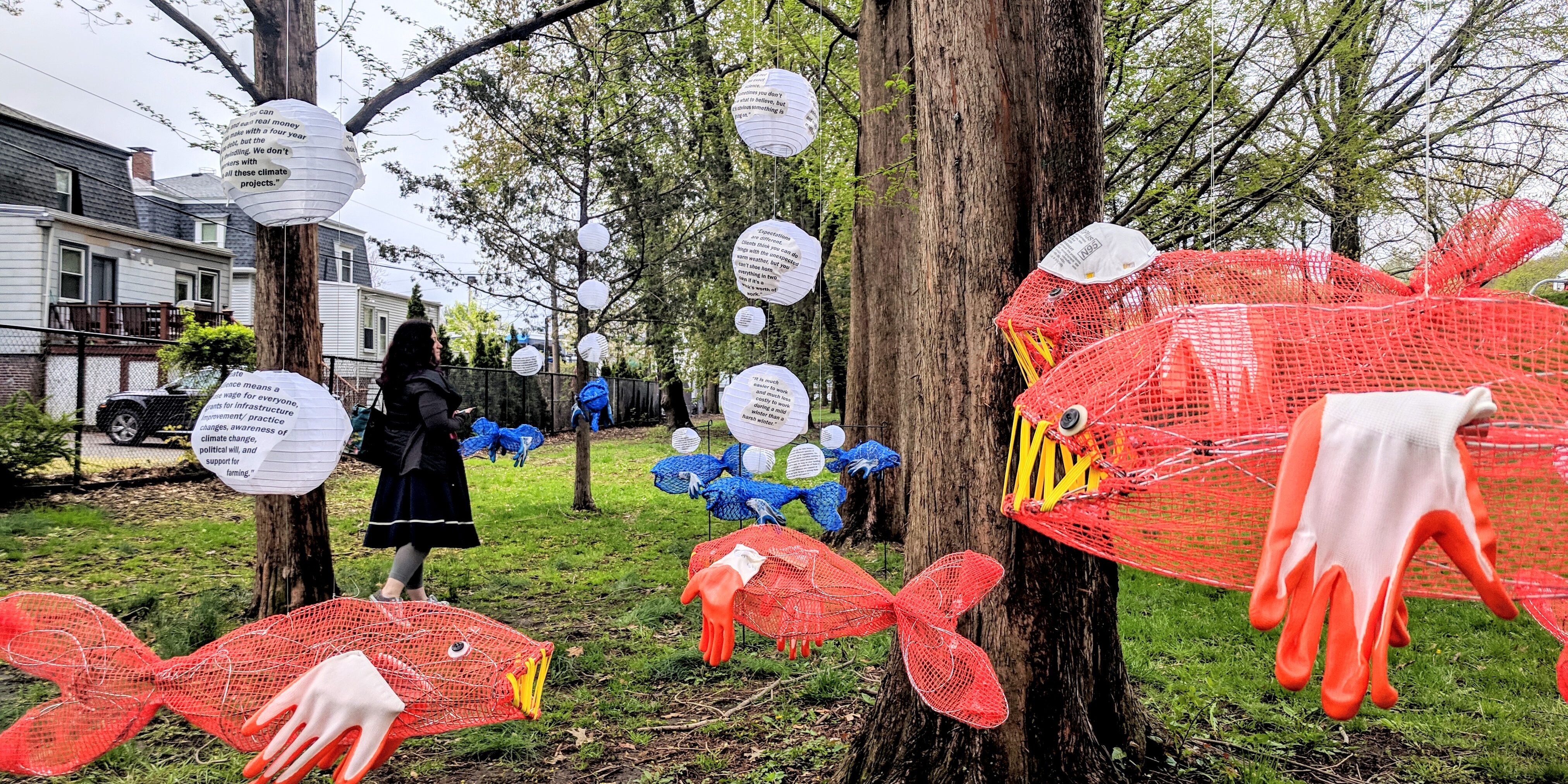
Koi fish made out of construction netting, gloves, and air mask at Wake Up the Earth 2019

Construction

Voices on Climate

MAPC Artist-in-Residence Hortense Gerardo worked with filmaker Monica Cohen and the Boom House to interview two people effected by climate change: fisherman Jamie Bassett and farmer Dave Dumaresq. The short “video-lets” integrate into the Schools of Thought art installation, but also serve on their own as powerful reminders of the current costs of climate change and how people are adapting innovatively.

IMG_20190504_115350

Art Installation

Artists Carolyn Lewenberg and Nia Holley crafted four separate groups of fish using gloves and materials from each industry: for example, burlap for farmers, gauze and scrubs for home health care workers, fishing nets for those in the fishing industry, and orange safety netting for construction workers.

In the “Schools of Thought on Climate Change” installation, the koi hang among lanterns printed with quotes from the focus groups. Viewers can read how climate change effects people’s livelihoods: species migration, storm damage to soils and equipment, power outages, and extreme heat risks to both outdoor workers and consumers of home healthcare. Viewers can also learn about actions people are taking to respond and prepare: clean energy adoption, worker safety training, and partnering with institutional buyers to develop markets for new seafood products, including invasive species.

Read our Planning101 blog post for more!

This project was conceived, designed, and created by: Carolyn Lewenberg, Daniel Koff, Hortense Gerardo, and Nia Holley (2019); Materials: mixed media, wire.

Where Can I See It?

Coming Up:

Past Installations:

Continue reading...

Medford Parks and Open Space for Climate Resilience

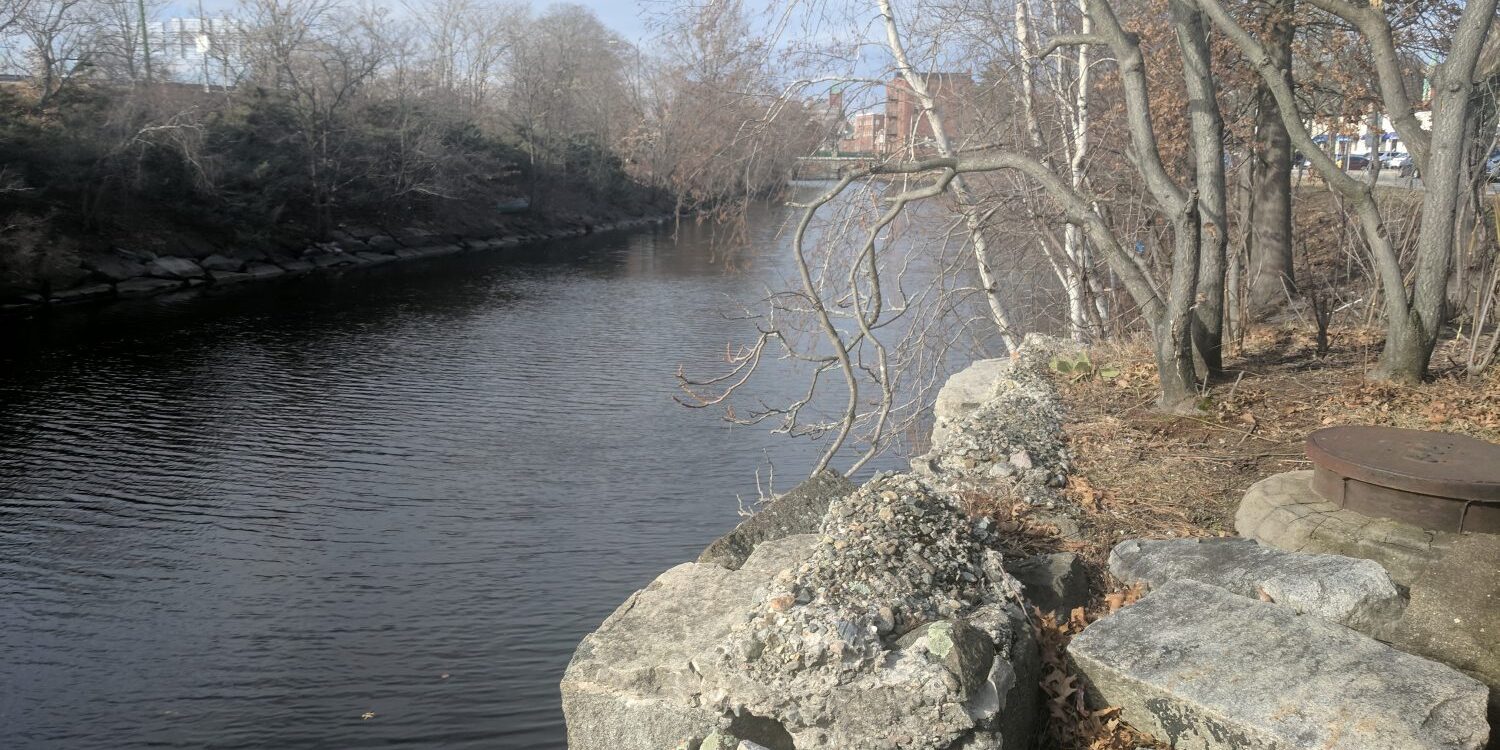
River in Medford

MAPC

Promoting Smart Growth & Regional Planning

MAY 2019

Medford Parks and Open Space for Climate Resilience

The project was conducted by the Metropolitan Area Planning Council (MAPC) with funding from the City of Medford and Massachusetts Executive Office of Energy and Environmental Affairs Municipal Vulnerability Preparedness Action Grant as part of its 2019 Open Space and Recreation Plan.

Using the latest climate science and data and ongoing City climate vulnerability assessments, we evaluate the climatic, geomorphological, and environmental conditions of the City’s park system, spatially analyze how the park system intersects with key components of the City’s infrastructure, vulnerable populations, and ecological resources, and create design recommendations that enhance climate resilience across Medford’s people, places, and environment.

The climate risks that cause Medford the most significant vulnerability are inland flooding from extreme precipitation events, extreme heat, sea level rise with storm surge in the late century and extreme weather events such as nor’easters, hurricanes, and ice storms.

The following are identified as key strategies for successful green infrastructure in park system planning:

  • Engage communities on the benefits and designs of green infrastructure;
  • Maximize the benefits of green infrastructure solutions within a physically connected network;
  • Enable equitable access to parks and green infrastructure within system planning; and
  • Specify actions and funding sources to effectively implement at scale.


Continue reading...

Health Lens Analysis of Urban Agriculture Policy in Cambridge

River in Medford

MAPC

Promoting Smart Growth & Regional Planning

FEBRUARY 2019

Medford Parks and Open Space for Climate Resilience

Cambridge, MA

The project was conducted by the Metropolitan Area Planning Council (MAPC) with funding from the City of Medford and Massachusetts Executive Office of Energy and Environmental Affairs Municipal Vulnerability Preparedness Action Grant as part of its 2019 Open Space and Recreation Plan.

Using the latest climate science and data and ongoing City climate vulnerability assessments, we evaluate the climatic, geomorphological, and environmental conditions of the City’s park system, spatially analyze how the park system intersects with key components of the City’s infrastructure, vulnerable populations, and ecological resources, and create design recommendations that enhance climate resilience across Medford’s people, places, and environment.

The climate risks that cause Medford the most significant vulnerability are inland flooding from extreme precipitation events, extreme heat, sea level rise with storm surge in the late century and extreme weather events such as nor’easters, hurricanes, and ice storms.

The following are identified as key strategies for successful green infrastructure in park system planning:

  • Engage communities on the benefits and designs of green infrastructure;
  • Maximize the benefits of green infrastructure solutions within a physically connected network;
  • Enable equitable access to parks and green infrastructure within system planning; and
  • Specify actions and funding sources to effectively implement at scale.


Continue reading...

Wrentham Municipal Vulnerability Preparedness Report

Hurley street urban farm

MAPC

Promoting Smart Growth & Regional Planning

MAY 2018

Health Lens Analysis of Urban Agriculture Policy

Urban agriculture has increasingly been recognized for its potential to improve public health in variety of ways –in addition to increasing cultivation of healthy foods, it can strengthen the social fabric of a community,encourage physical activity and mental health, and deliver ecological benefits. Emergent technologies also show promise for hydroponic and vertical food-growing businesses.

The City of Cambridge has a legacy of promoting public health through initiatives and partnerships that increase healthy food access. And, the City and region contain several non-profit, school-based, and for-profit urban agriculture-related entities and programs. Responding to the interest in urban agriculture and recognizing the benefits it can deliver, in recent years, Cambridge has focused efforts on developing a policy and strategies to promote and allow more urban agriculture activities in the City. In 2017, Cambridge successfully passed public health regulations and a zoning ordinance for beekeeping, and it is actively developing policies and guidance for farming, henkeeping, and the sale of agriculture products.

Concurrent with the policy and guidance development, the Cambridge Public Health Department partnered with the Metropolitan Area Planning Council to conduct a Health Lens Analysis (HLA) with the objective of taking a closer look at the urban agriculture policy’s potential implications for public health. The HLA investigates potential health impacts of urban agriculture as they relate to four determinants of health: social, economic, nutritional, and environmental factors.It makes recommendations for ensuring the urban agriculture policy is implemented in such a way that promotes health, mitigates negative health impacts and promotes equitable engagement in urban agriculture.

Top Recommendations to Improve Resilience

Infrastructure:

  • Establish a shelter that can serve the community for multiple days, is ADA compliant, can include showers and cooking facilities, and provide back-up power generation. Consider the Delaney School as an option.
  • Relocate the Department of Public Works complex including the building, salt shed, and other facilities outside of the floodplain.
  • Improve and upgrade communication equipment and strategies for public safety and municipal staff, particularly during emergencies. Ensure there are back-up strategies that will function in the event of loss of electricity and internet, such as redundancy towers.

Society:

  • Create a more cohesive Local Emergency Planning Committee and work to create a better more cohesive Comprehensive Emergency Management Plan.
  • Create a plan to protect residents during emergencies and extreme weather events for Bennett Gardens and other Housing Authority facilities.
  • Increase the size of the Senior Center.
  • Expand Food Pantry operations to include all residents and increase hours during time of emergencies and extreme weather events.
  • Create back-up potable water options during emergencies and extreme weather events.

Environment:

  • Re-evaluate existing stormwater bylaws. Ensure bylaws address water quality issues and green infrastructure opportunities for stormwater management.
  • Create a new Open Space and Recreation Plan that prioritizes connected open space and acquiring land that prioritizes resiliency and climate/natural hazard mitigation.
  • Restore the lake systems in town for water quality, recreation opportunity, and flood mitigation.
Continue reading...

Chelsea Municipal Vulnerability Preparedness Report

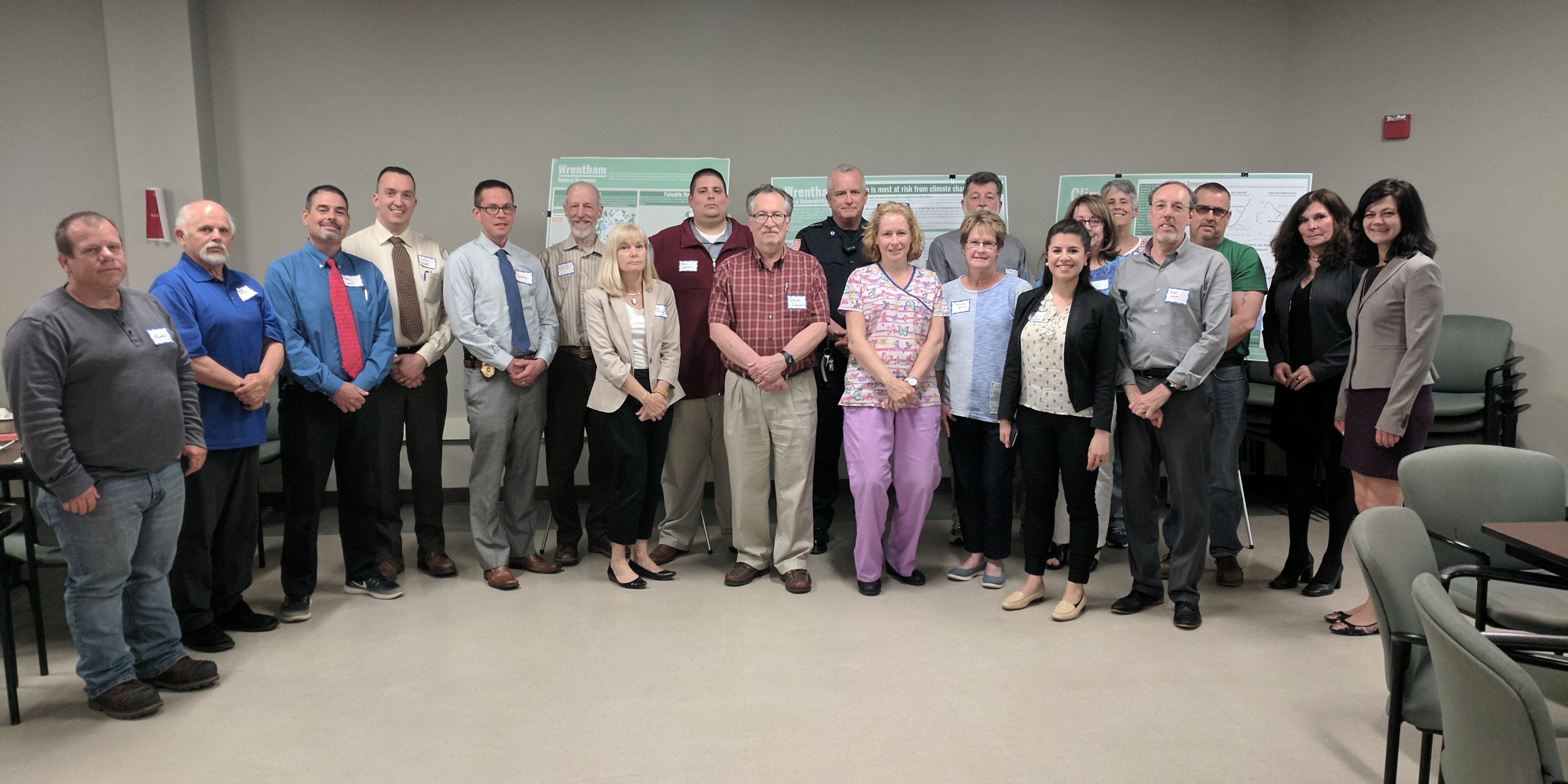
Wrentham MVP Workshop Attendees

MAPC

Promoting Smart Growth & Regional Planning

MAY 2018

Wrentham Community Resilience Building: Summary of Findings

Wrentham received a grant from the Massachusetts Executive Office of Energy and Environmental Affairs to participate in the Commonwealth’s Municipal Vulnerability Preparedness (MVP) program. The program provides support for municipalities to plan and implement key climate resilience actions using a community-based, multi-disciplinary, participatory planning effort.

Participants in the workshop brought a wealth of knowledge and expertise from their diverse local experiences and fields. Each group identified the City’s social, environmental, and infrastructure-related vulnerabilities and identified actions to address them.

The group identified the following as areas of concern:

Neighborhoods

Society

Infrastructure

Environment

West Wrentham People with disabilities* DPW Complex Lakes
Lake Pearl People with Medical Rehabilitation needs* Well pump stations Non-contiguous open space
Town Center People with mental illness* Wells Drinking water
Wrentham Outlets Senior citizens Utility Substations Non-point pollution
Court House employees Eagle Dam Taunton River Basin
Family pets Crocker Pond Dam
Low income individuals Red Dam
*These individuals are all serviced in medical/professional facilities located in Wrentham Route 121

Top Recommendations to Improve Resilience

Infrastructure:

  • Establish a shelter that can serve the community for multiple days, is ADA compliant, can include showers and cooking facilities, and provide back-up power generation. Consider the Delaney School as an option.
  • Relocate the Department of Public Works complex including the building, salt shed, and other facilities outside of the floodplain.
  • Improve and upgrade communication equipment and strategies for public safety and municipal staff, particularly during emergencies. Ensure there are back-up strategies that will function in the event of loss of electricity and internet, such as redundancy towers.

Society:

  • Create a more cohesive Local Emergency Planning Committee and work to create a better more cohesive Comprehensive Emergency Management Plan.
  • Create a plan to protect residents during emergencies and extreme weather events for Bennett Gardens and other Housing Authority facilities.
  • Increase the size of the Senior Center.
  • Expand Food Pantry operations to include all residents and increase hours during time of emergencies and extreme weather events.
  • Create back-up potable water options during emergencies and extreme weather events.

Environment:

  • Re-evaluate existing stormwater bylaws. Ensure bylaws address water quality issues and green infrastructure opportunities for stormwater management.
  • Create a new Open Space and Recreation Plan that prioritizes connected open space and acquiring land that prioritizes resiliency and climate/natural hazard mitigation.
  • Restore the lake systems in town for water quality, recreation opportunity, and flood mitigation.
Continue reading...

Designing Parks and Playgrounds as Green Infrastructure for Stormwater and Climate Resilience

In Chelsea, a man tries to get out of his car as a mix of snow and water flood it past its tires.

MAPC

Promoting Smart Growth & Regional Planning

JUNE 2018

City of Chelsea Community Resilience Building: Summary of Findings

The City of Chelsea received a grant from the Massachusetts Executive Office of Energy and Environmental Affairs to participate in the Commonwealth’s Municipal Vulnerability Preparedness (MVP) program. The program provides support for municipalities to plan and implement key climate resilience actions using a community-based, multi-disciplinary, participatory planning effort.

Participants in the workshop brought a wealth of knowledge and expertise from their diverse local experiences and fields. Each group identified the City’s social, environmental, and infrastructure-related vulnerabilities and identified actions to address them.

The group identified the following as areas of concern:

Neighborhoods

Society

Infrastructure

Environment

The Waterfront Senior citizens Stormwater infrastructure Littering
Tobin Bridge/Route 1 Viaduct Linguistically isolated residents Schools located in flood zone Air quality
Island End River Neighborhood commercial area Students Emergency and public transportation Water quality
Shurtleff-Bellingham neighborhood Chelsea residents working in Boston Seaport Senior center Toxic exposure with industrial waterfront uses
Western waterfront contaminated area Low income individuals Medical facilities/hospitals Shoreline erosion
Bellingham Square Renters Housing Authority facilities
Addison Neighborhood The Learning Center
Continue reading...

Medford Square Master Plan

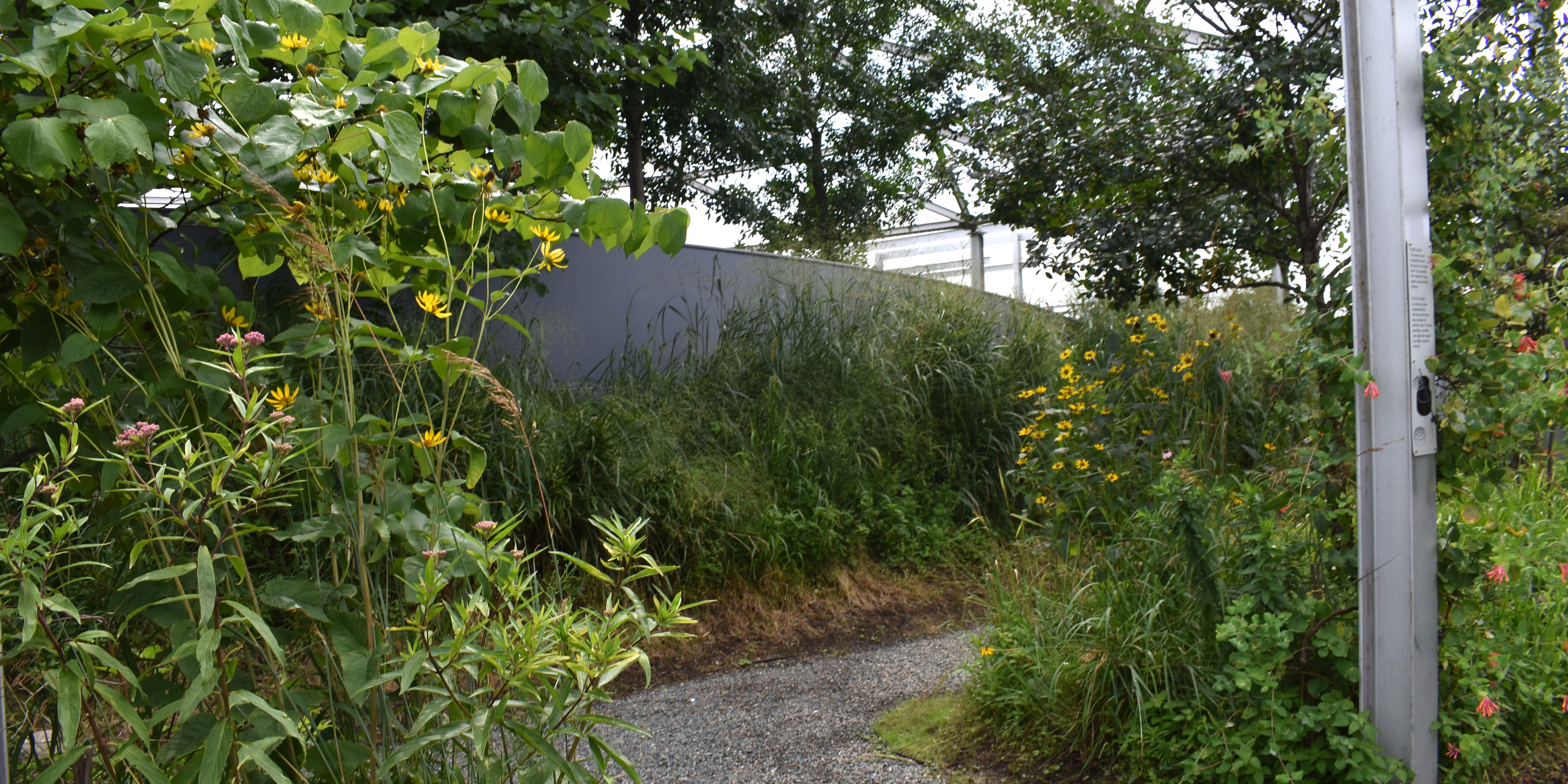
Trees and flowers at PORT Park in Chelsea
Medford Square Master Plan

MAPC

Promoting Smart Growth & Regional Planning

JUNE 2018

The project was conducted by the Metropolitan Area Planning Council (MAPC) with funding from the City of Chelsea as part of its Open Space and Recreation Plan update for 2018.

Chelsea has completed important planning for stormwater management, coastal flooding, and parks and open space. The intent of this plan is to build on existing efforts to create a framework for implementing green infrastructure through retrofits and/or redevelopment of Chelsea’s parks and open space.

The following are identified as key strategies for successful green infrastructure in park system planning:

  1. Engaging communities on the benefits and designs of green infrastructure
  2. Maximizing the benefits of green infrastructure solutions with a physically connected network
  3. Enabling equitable access to parks and green infrastructure
  4. Specifying actions and funding sources to effectively implement at scale
Continue reading...