Top

MAPC Publications

MAPC Publications

Boston from Longfellow Bridge | AdobeStock_254046996

MAPC Publications

Over the years, the Metropolitan Area Planning Council (MAPC) has produced a tremendous amount of diverse publications, from case studies, research reports, visioning projects, and much more. Many of you have requested a central “library” on our website where you can find every publication. We heard you, and we are working to create this central library. It’s a work in progress, so we appreciate your patience, and encourage you to check back often as we will continuously be adding our publications to this page.

MAPC is a government research organization.  It’s many research studies and publications are widely relied upon by lawmakers and other research organizations.

Questions? Please contact Amanda Belles at [email protected].

2025 Publications

Data Open Doors: Measuring the Affordable Housing Gap in Massachusetts

Published April 2025

Cover for the Data Open Doors report. There is a photo of brick apartments in the shape of a circle. Text on the cover says, "Data Open Doors. Measuring the Affordable Housing Gap in Massachusetts. April 2025. A Housing Navigator MA Research Series." In the upper right of the image are the logos for Housing Navigator and MAPC.

2024 Publications

An Update on Housing Production’s Affect on Public School Enrollment

Published February 2024
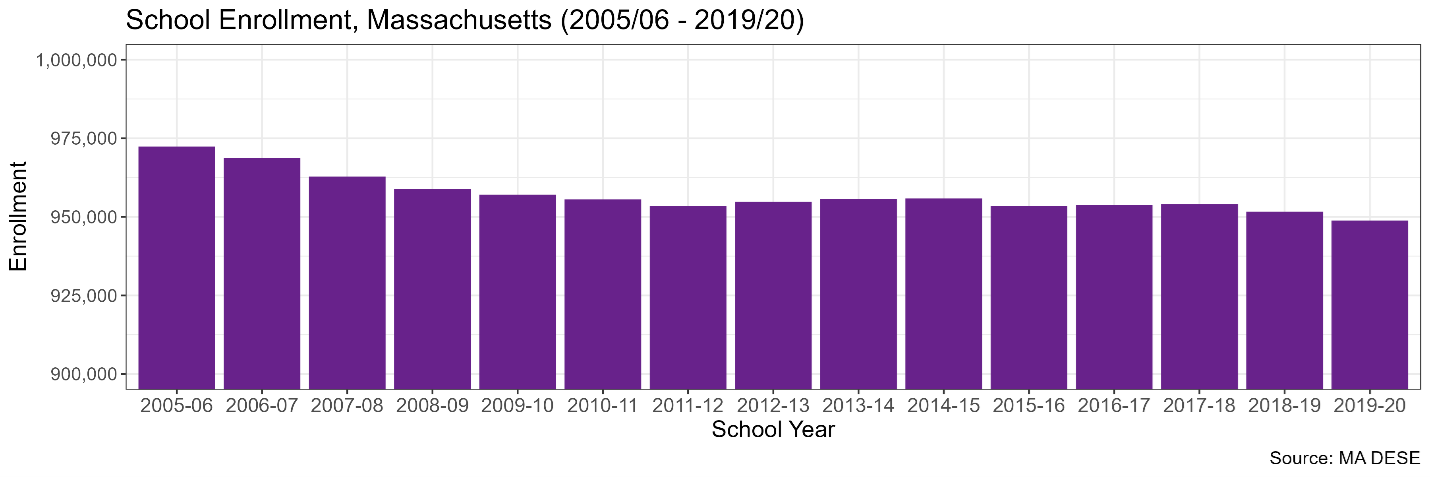
Figure 1. School Enrollment in Massachusetts by year, 2005/2006 through 2019/2020. A bar graph showing the various levels of enrollment.
Language Access Guide for Municipalities

Published February 2024

A sign that has the word "Welcome" on it in different languages. Words to the right of the sign say, "Language Access". The background color of the entire image is a light blue.
Transportation Funding Policy Briefs – Three Separate Briefs

Published August 2024

Purely decorative. Many arrows of all sizes in different shades of green scattered across a white background. A green version of the MAPC logo is in the top left.

2023 Publications

Land, Economy, and Opportunity: Industrial Land Supply and Demand in Greater Boston

Published February 2023
White text over a dark blue background says, "Metropolitan Area Planning Council. Land, Economy, Opportunity: Industrial Land Supply and Demand in Greater Boston. February 2023.
Water, Water, Everywhere: The Increasing Threat of Stormwater Flooding in Greater Boston

Published May 2023

Image is decorative. A silhouette of downtown buildings with aqua into brown and gray shading underneath the buildings.
Perfect Fit Parking Research: Phase 4 Update

Published July 2023
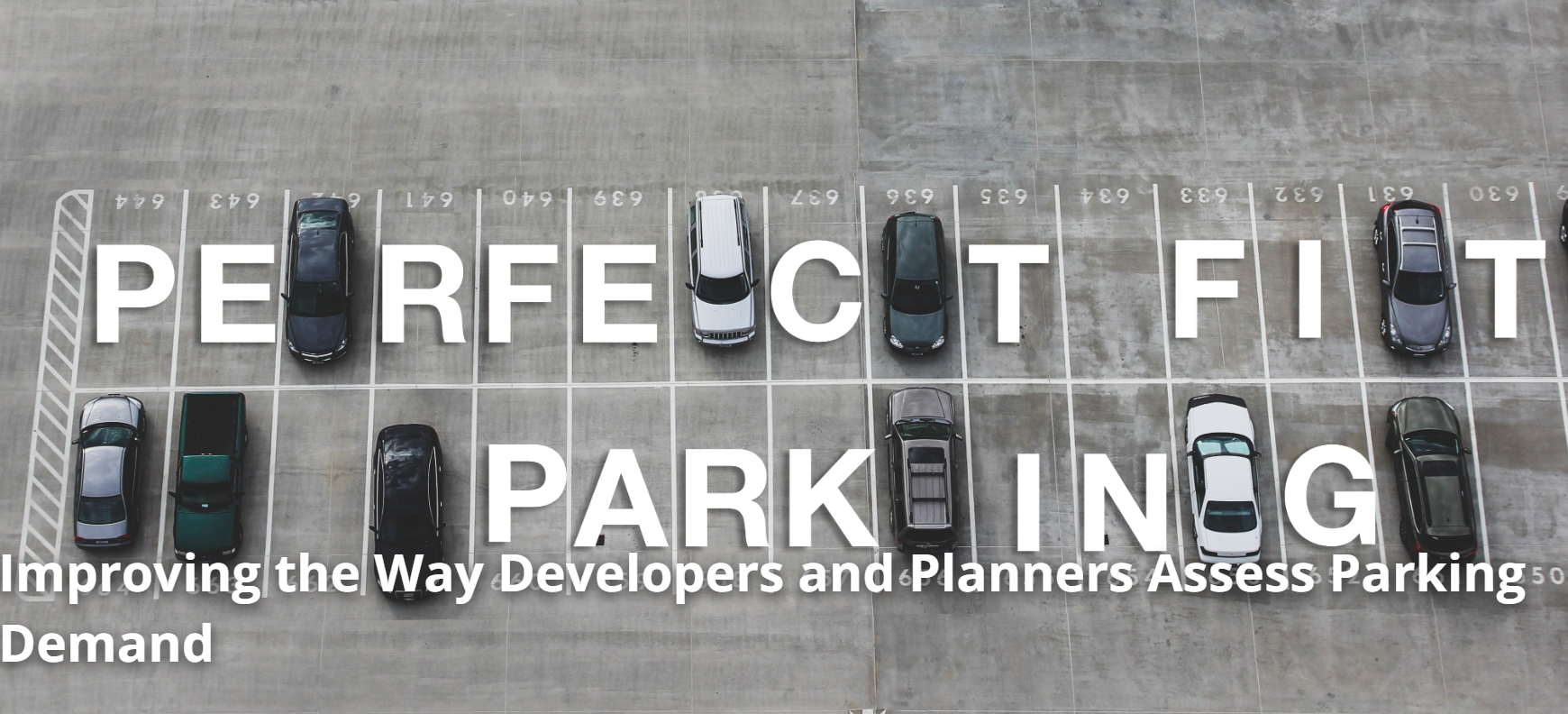
A parking lot with vehicles parked in it with some open parking spaces. Text says, "Perfect Fit Parking". "Improving the Way Developers and Planners Assess Parking Demand."
Homes for Profit: Speculation and Investment in Greater Boston

Published November 2023
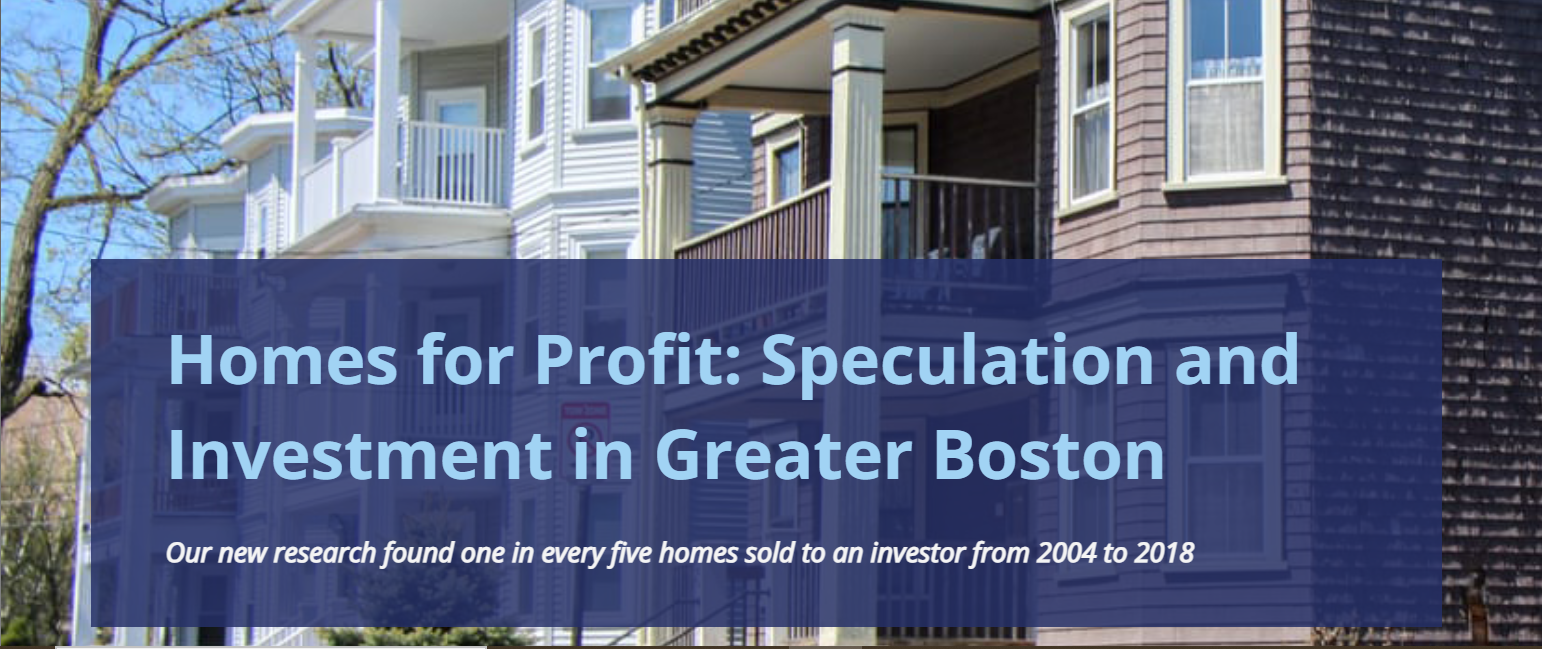
Background image is of homes in the Boston area. Light blue words on a dark blue background say, "Homes for Profit: Speculation and Investment in Greater Boston." In smaller white letters text says, "Our new research found one in every five homes sold to an investor from 2004 to 2018."

Publications Archive

2022 Publications

Rethinking the Retail Strip
Published January 2022
Access the Research Report


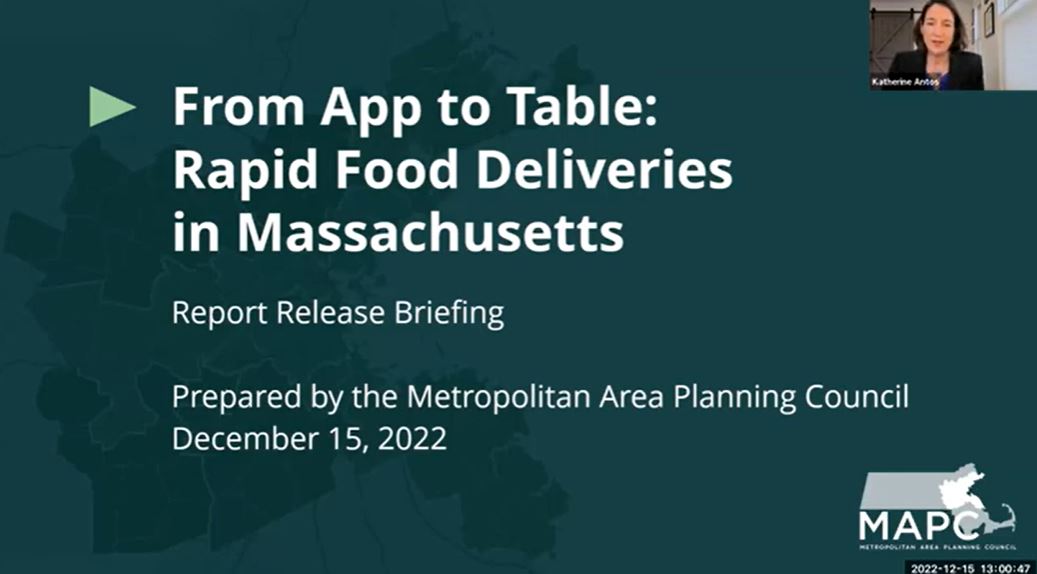
From App to Table: Rapid Food Deliveries in Massachusetts
Published December 2022
Access the Report Webpage


2021 Publications

The Impacts of Land Use and Pricing in Reducing Vehicle Miles Traveled and Transport Emissions in Massachusetts
Published January 2021
Access the Report


Research: Hidden in Plain Sight – Impacts of E-Commerce in Massachusetts
Published February 2021
Access the Research Report


2020 Publications

Crowded In and Priced Out: Why it’s So Hard to Find a Family-sized Unit in Greater Boston
Published February 2020
Access the Research Report


COVID-19 Layoff Housing Gap
Published April – October 2020
Access Original Report and Updates


Racial Disparities in the Proximity to Vehicle Air Pollution in the MAPC Region
Published May 2020
Access the Report


The Diversity Deficit: Municipal Employees in Metro Boston
Published July 2020
Access the Research Brief


Evictions and COVID-19: The Responsibility of the Large Landlord
Published December 2020
Access the Research Brief


Introduction to the Zoning Atlas
Published December 2020
Access the Research Report Webpage
Before 2020 Publications

Interactive Research

Continue reading...

From App to Table: Rapid Food Deliveries in Massachusetts

From App to Table: Rapid Food Deliveries in Massachusetts

An e-commerce and transportation study by the
Metropolitan Area Planning Council

Header photo: AdobeStock #254761633

“From App to Table: Rapid Food Deliveries in Massachusetts” concentrates on the transportation, land use, and economic effects of rapid food deliveries from third-party mobile apps such as DoorDash, Grubhub, and Uber Eats, as well as fast delivery of convenience store items from mobile apps including GoPuff and Getir.

This report does not include an analysis of larger, same-day deliveries from grocery stores, but instead concentrates on smaller orders of prepared foods and convenience store items typically delivered within 15 to 45 minutes. MAPC estimates that the number of rapid food deliveries in the state most likely exceeds the number of ride-hailing trips from Transportation Network Companies such as Uber and Lyft.

MAPC puts forward potential policies that could help the Commonwealth, municipalities, and the mobile delivery platforms more sustainably manage the growth and impacts of these rapid food deliveries.

MAPC serves as a resource for continued information sharing and findings from e-commerce surveys and pilot programs and will continue to conduct research on how municipalities in Massachusetts are mitigating and managing the impacts of e-commerce. Please email [email protected] for more information or to be informed of future initiatives.

Report release briefing

On Thursday, Dec. 15, 2022 report co-authors Alison Felix, AICP, principal planner & emerging technologies specialist, and Travis Pollack, AICP, senior transportation planner, and other experts at MAPC provided a deeper dive into the research and gave an overview of best practices and policies that municipalities and the Commonwealth can undertake to better manage the effects of rapid food deliveries. Watch on our YouTube channel.

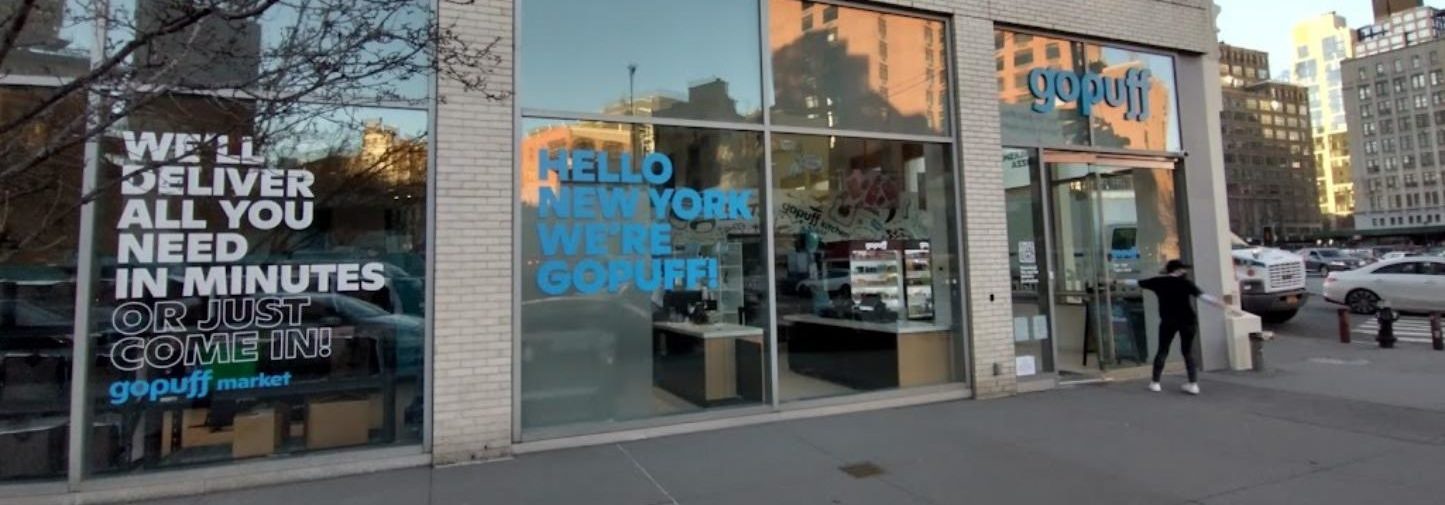
A photo of a gopuff microfulfillment center in New York City.
A gopuff microfulfillment center in New York City. Photo credit: Igor Katrach

This report is a follow-up work to MAPC’s 2021 report Hidden and in Plain Sight: Impacts of E-Commerce in Massachusetts, which investigated the effects of online commerce on municipalities in the Commonwealth. It also follows MAPC’s Fare Choices research on the impacts of app-based ridehailing in Massachusetts.

This report is aligned with the recommendations adopted in the regional plan MetroCommon 2050, including improving access and regional mobility, reducing vehicle miles traveled, enabling wealth creation and intergenerational wealth transfer, and expanding and promoting the resiliency of small businesses, particularly those owned by people of color.

Continue reading...

City of Quincy Small Business Plan

FatCat_Corridor_Lighting_Quincy
City of Quincy Small Business Plan

March 2020

Quincy Small Business Plan

The Quincy Small Business Plan intends to provide a comprehensive understanding of the small business landscape and its strengths, gaps and opportunities in Quincy. The Plan includes recommendations of how the City of Quincy and its partners, such as the Chamber of Commerce, can fill some of these gaps and provide ample opportunity for the small business community to continue to thrive in Quincy.

Key Needs:

  • Business growth through new customer revenue
  • Attracting new customers through increased marketing
  • Adding products and services to attract new clients
  • Customer retention, particularly in light of increased competition, rising costs
  • Financial management, to better manage operations, price competitively and wisely, and reduce expenses
  • Expense reduction through health care and other insurance assistance
  • Employee recruitment and hiring
  • Succession planning, for those business owners seeking to retire
  • Visual merchandising, to improve the attractiveness and effectiveness of store layouts and displays
  • Location assistance, both finding an appropriate location and lease negotiations
  • District-wide/citywide marketing to highlight the city’s small businesses
  • District amenity support to enhance the customer experience (parking, streetscape improvements)
  • Assistance navigating City processes (licensing/permitting)

Recommendations:

Recommendations detailed in the plan include:

  • Translation/interpretation for City services
  • Workshops
  • One-on-one assistance
  • Storefront improvement/facade improvement program
  • Referrals to local resources
  • Grants for businesses
  • Netweorking events
  • Citywide marketing
  • Parking and wayfinding
  • Outreach
  • Emergency response
Continue reading...

Topsfield Downtown Revitalization Plan

FatCat_Corridor_Lighting_Quincy
Topsfield Downtown Revitalization Plan

March 2020

Quincy Small Business Plan

The Quincy Small Business Plan intends to provide a comprehensive understanding of the small business landscape and its strengths, gaps and opportunities in Quincy. The Plan includes recommendations of how the City of Quincy and its partners, such as the Chamber of Commerce, can fill some of these gaps and provide ample opportunity for the small business community to continue to thrive in Quincy.

Key Needs:

  • Business growth through new customer revenue
  • Attracting new customers through increased marketing
  • Adding products and services to attract new clients
  • Customer retention, particularly in light of increased competition, rising costs
  • Financial management, to better manage operations, price competitively and wisely, and reduce expenses
  • Expense reduction through health care and other insurance assistance
  • Employee recruitment and hiring
  • Succession planning, for those business owners seeking to retire
  • Visual merchandising, to improve the attractiveness and effectiveness of store layouts and displays
  • Location assistance, both finding an appropriate location and lease negotiations
  • District-wide/citywide marketing to highlight the city’s small businesses
  • District amenity support to enhance the customer experience (parking, streetscape improvements)
  • Assistance navigating City processes (licensing/permitting)

Recommendations:

Recommendations detailed in the plan include:

  • Translation/interpretation for City services
  • Workshops
  • One-on-one assistance
  • Storefront improvement/facade improvement program
  • Referrals to local resources
  • Grants for businesses
  • Netweorking events
  • Citywide marketing
  • Parking and wayfinding
  • Outreach
  • Emergency response
Continue reading...

Lynn Union Hospital Re-Use Planning Study

IMG_0424
Lynn Union Hospital Re-Use Planning Study

December 2019

Topsfield Downtown Revitalization Plan

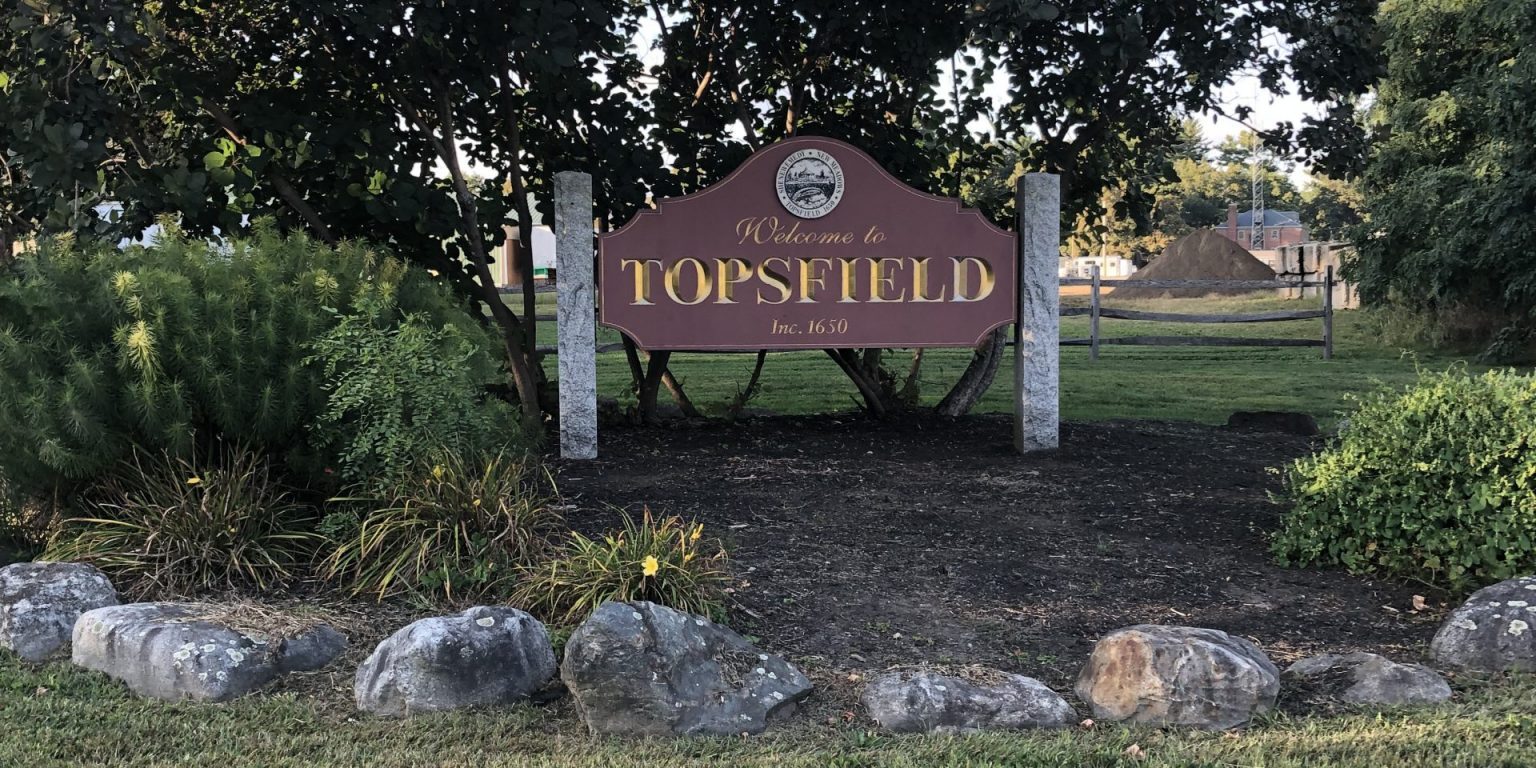
The Topsfield Downtown Revitalization Plan is a three- to five-year plan to revitalize downtown Topsfield into a welcoming downtown village where Topsfield residents and visitors of all ages can live, work, gather, and shop.

Goals:

  • Attract new businesses to the district to respond to the needs of Topsfield residents
  • Increase the customer base in the district to support downtown business by adding housing and marketing the village to residents and visitors
  • Enhance the look, feel, and safety of the district to maintain a vibrant and walkable downtown and create a sense of place where all can gather
  • Increase community-building events in the district to create an energetic downtown with a strong sense of community
  • Expand Town capabilities and resources to achieve these goals
Continue reading...

Red Line Life Science Study

Lynn Union Hospital
Red Line Life Science Study

December 2018

City of Lynn Union Hospital Re-Use Planning Study

On the current Union Hospital campus, North Shore Medical Center will build a medical village facility that will include urgent care, lab and radiology services, outpatient psychiatry and a primary care and specialty care practice. The medical village will occupy about 1/4 of the 20-acre campus. Partners HealthCare plans to sell the remainder of the property.

Anticipating the consolidation of North Shore Medical Center hospital facilities and property sale, the City of Lynn has commissioned this study to consider the future of the Union Hospital property. The City of Lynn Economic Development Industrial Corporation (EDIC) engaged the Metropolitan Area Planning Council (MAPC) to facilitate a transparent and community-based process to consider the potential for new future uses and investment at the Union Hospital property. MAPC prepared information and analyses of the property and presented and invited community feedback at two community meetings as part of this re-use planning study.

Community goals for the property include:

  • Encouraging development that is sensitive to the surrounding context of single family residential neighborhoods and the Lynn Woods conservation area,
  • Supporting new economic opportunities for the re-use of the Union Hospital property to encourage investment in the neighborhood,
  • Creating new housing opportunities while limiting the impacts on schools,
  • Creating new job opportunities to counteract job losses associated with the hospital consolidation,
  • Encouraging uses that would contribute to the City of Lynn’s tax base.

Key zoning recommendations include:

  • Create a new Medical Village (MVD) underlying zoning district to include the entirety of the Union Hospital site
  • The new underlying zoning district is recommended to include two subdistricts (MVD-1 and MVD-2) with complementary provisions that respect the distinct characteristics and opportunities of the Lynnfield Street and Woodland Avenue North parcels
  • The subdistrict at Lynnfield Street, MVD-1, is recommended to allow the following uses by right: assisted living facility, senior living row house, senior living multifamily (less than 100 units), public parks/open space, and general offices, clinic, and medical village. The MVD-1 is recommended to allow the following uses by Special Permit: senior living multifamily (100 units or more), and senior living mixed-use (commercial/retail/restaurant and residential).
  • The subdistrict at Woodland Avenue North, MVD-2, is recommended to allow the following uses by right: senior living one family detached house (standard lot – 10,000 square feet), senior living one family detached house (clustered lot), public parks/open space. The MVD-2 is recommended to allow the
    following uses by Special Permit: assisted living facility, senior living row house, and accessory uses to MVD-1, including parking.
  • Dimensional requirements are compatible with the existing uses and abutting residential areas
  • Some uses currently allowed or available by special permit in the R-1 would not be allowed in the new zone to avoid land use conflicts
  • Existing Parking Requirements are maintained
Continue reading...

Norwell Economic Growth Plan

Photo via Flickr user Voluntary Amputation
Norwell Economic Growth Plan

April 2019

Red Line Life Science Study

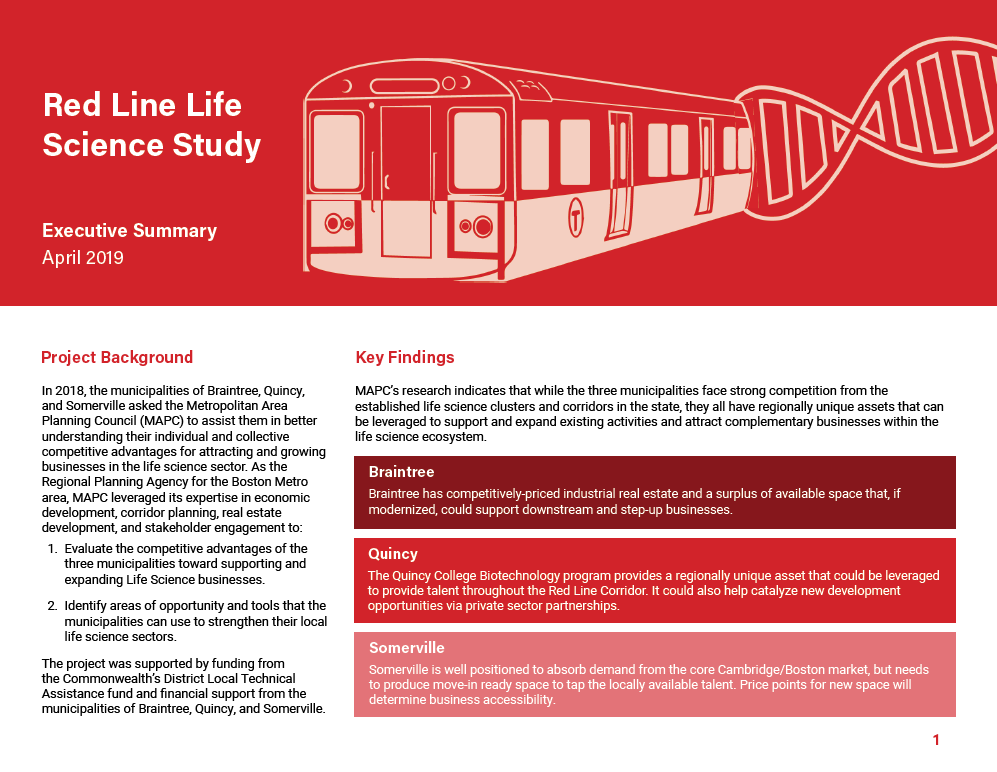
The Red Line Life Science Study examines the individual and collective advantages that Braintree, Quincy, and Somerville have for attracting and growing businesses in the life science sector.

MAPC evaluated the competitive advantages the three municipalities have to support and attract life science businesses and identified areas of opportunity and tools that the municipalities can use to strengthen their local life science sectors.

The project was supported by funding from the Commonwealth’s District Local Technical Assistance fund and financial support from the municipalities of Braintree, Quincy, and Somerville.

Key Findings

MAPC’s research indicates that while the three municipalities face strong competition from the established life science clusters and corridors in the state, they all have regionally unique assets that can be leveraged to support and expand existing activities and attract complementary businesses within the life science ecosystem.

  • Braintree has competitively-priced industrial real estate and a surplus of available space that, if modernized, could support downstream and step-up businesses
  • The Quincy College Biotechnology program provides a regionally unique asset that could be leveraged to provide talent throughout the Red Line Corridor. It could also help catalyze new development opportunities via private sector partnerships.
  • Somerville is well positioned to absorb demand from the core Cambridge/Boston market, but needs to produce move-in ready space to tap the locally available talent. Price points for new space will determine business accessibility.
Continue reading...

Holbrook Town Center Economic Development Study

Norwell
Holbrook Town Center Economic Development Study

2018

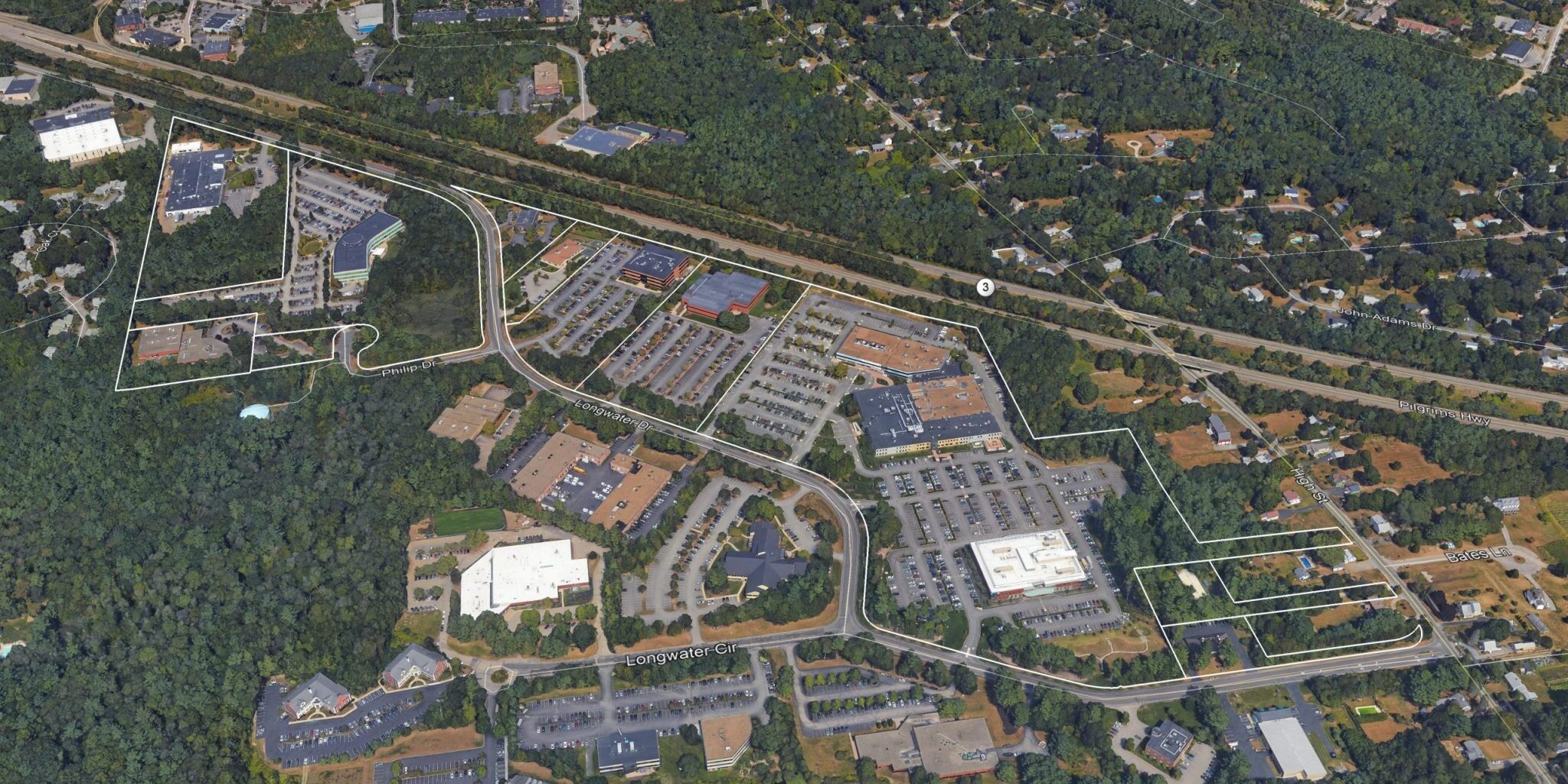
Norwell Economic Growth Plan

The Norwell Economic Growth plan explores opportunities to expand the town’s commercial/industrial tax base, accommodate new housing and mixed-use development, and address infrastructure related development constraints. This strategy builds upon prior planning efforts, including the 2005 Master Plan which identified the Assinippi and Accord industrial parks as strategic locations for encouraging growth. At the direction of town staff and officials, MAPC focused on these geographies as targeted growth areas.

The strategies focus largely on interventions in the Accord Park area due to both the strategic opportunity for growth as well as its physical remove from residential abutters.

Those strategies are:

  1. Adjust town zoning bylaws to allow for existing uses to expand and incentive the development of underutilized office buildings
  2. Designate strategic development sites as 43D
  3. Support a mixed-use housing/commercial district development at Queen Anne’s Plaza
Continue reading...

Belmont Business Strategy

Public domain
Belmont Business Strategy

June 2018

Holbrook Town Center Economic Development Study

A town’s livability and distinctiveness is greatly influenced by its economic activities. For Holbrook, this consists of the Downtown, located on the intersection of Routes 37 and 139. Holbrook’s Town Center has witnessed a transformation within the past few decades. Downtown Holbrook is positioned to be the vibrant center of activity as the historic center of town. The goals and recommendations identified in this economic development study aim to activate a revitalized city center that provides a mix of living, working, and dining.

Study goals:

  • Create a single identity for the town center by physically and visually uniting the east and west sides.
  • Encourage mixed use vibrancy with culture, retail, office and housing.
  • Enhance connections between Town Hall, the retail area, the surrounding neighborhoods, and regional open space.
  • Develop the pedestrian character of Downtown by balancing transportation modes and improving connectivity.
  • Achieve a higher and better use of the land and create value for real estate.
Continue reading...

Bellingham Economic Development Study

Looking_north_on_Leonard_Street,_Belmont_Center_MA

MAPC

Promoting Smart Growth & Regional Planning

August 2019

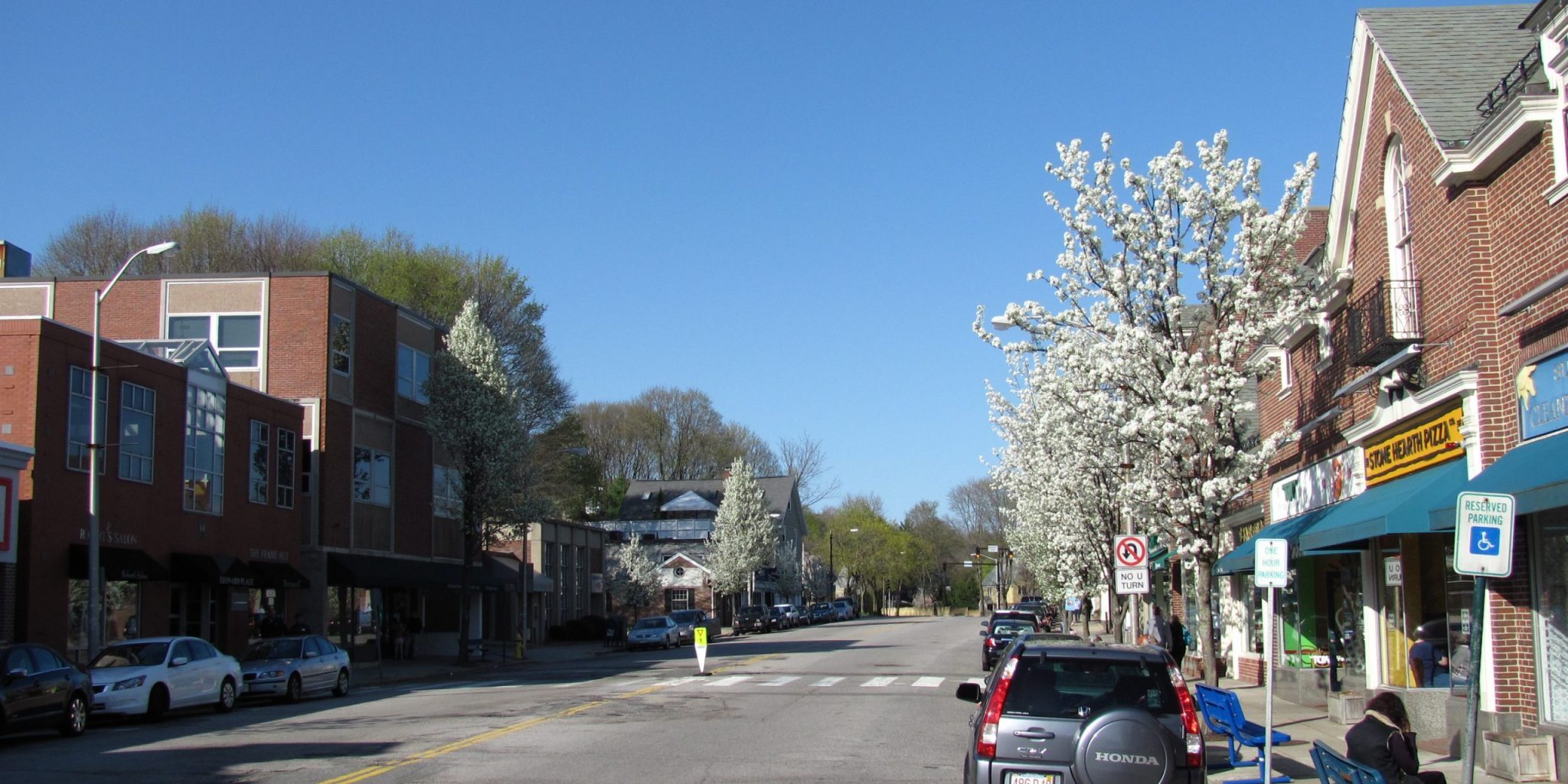
Belmont Business Strategy

The Belmont Business Strategy is an economic development strategy that identifies demographic and economic trends within Belmont and the region so that the Town can set a strategic course to grow its economic base to improve fiscal stability while building on and respecting the existing strengths and character of the community.

Belmont’s Planning Principles

  • Belmont is committed to strengthening existing businesses and diversifying its business types.
    Planning will take into account a mix of uses, especially affordable housing for millennials, families and our aging population, live/work space, arts and culture destinations and retaining basic service businesses.
  • Public infrastructure to support development should be planned at the same time, especially public transit facilities, schools, complete streets and addition of open space.
  • Specific design and infrastructure need to activate the street, be designed for the future and environmentally friendly.

Next Steps and Priorities

  1. Form an economic development committee for the purpose of researching and implementing ideas to bring about economic growth within town and to further support the efforts of the commercial community.
  2. The Town should create a position to serve as an Economic Development Coordinator between the Belmont EDC, Town departments, and local businesses.
  3. Review zoning and permitting procedures as well as regulatory laws and identify mechanisms to streamline business regulation and expedite permitting to provide regionally competitive and responsive services in a way that does not compromise quality development.
  4. Further planning processes, incentives and marketing that could grow the town’s economy and promote the Town’s business friendliness.
  5. Create information guidelines to assist businesses in locating and expanding in Belmont.
  6. Create a visually attractive public realm, including wayfinding, beautification efforts, and local art.
  7. Further promote and expand upon special events and shopping experiences that encourage residents to shop local and develop support for the business community.
  8. Promote intermodal forms of transportation, especially to each business district.
  9. Improve the character of each of the commercial districts.
  10. Update the Town website to provide more detail about economic development.
  11. Establish a town regular newsletter focusing on recent, current, and future town activities, including economic development.
  12. Continue to implement the Town Business Survey.


Continue reading...